VEENA MALIK PROJECT
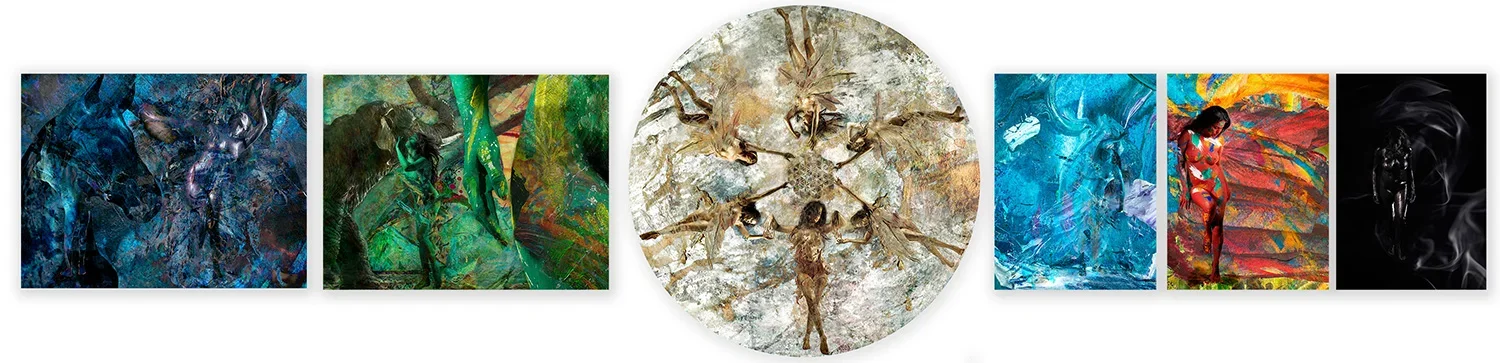
Six works. 300 million people. A question about courage.
In 2013, Veena Malik was one of the most visible Muslim actresses in the world. She had been defined by an industry that decided how she should be seen. The collaboration began with a question: what happens when a woman takes back her own image?
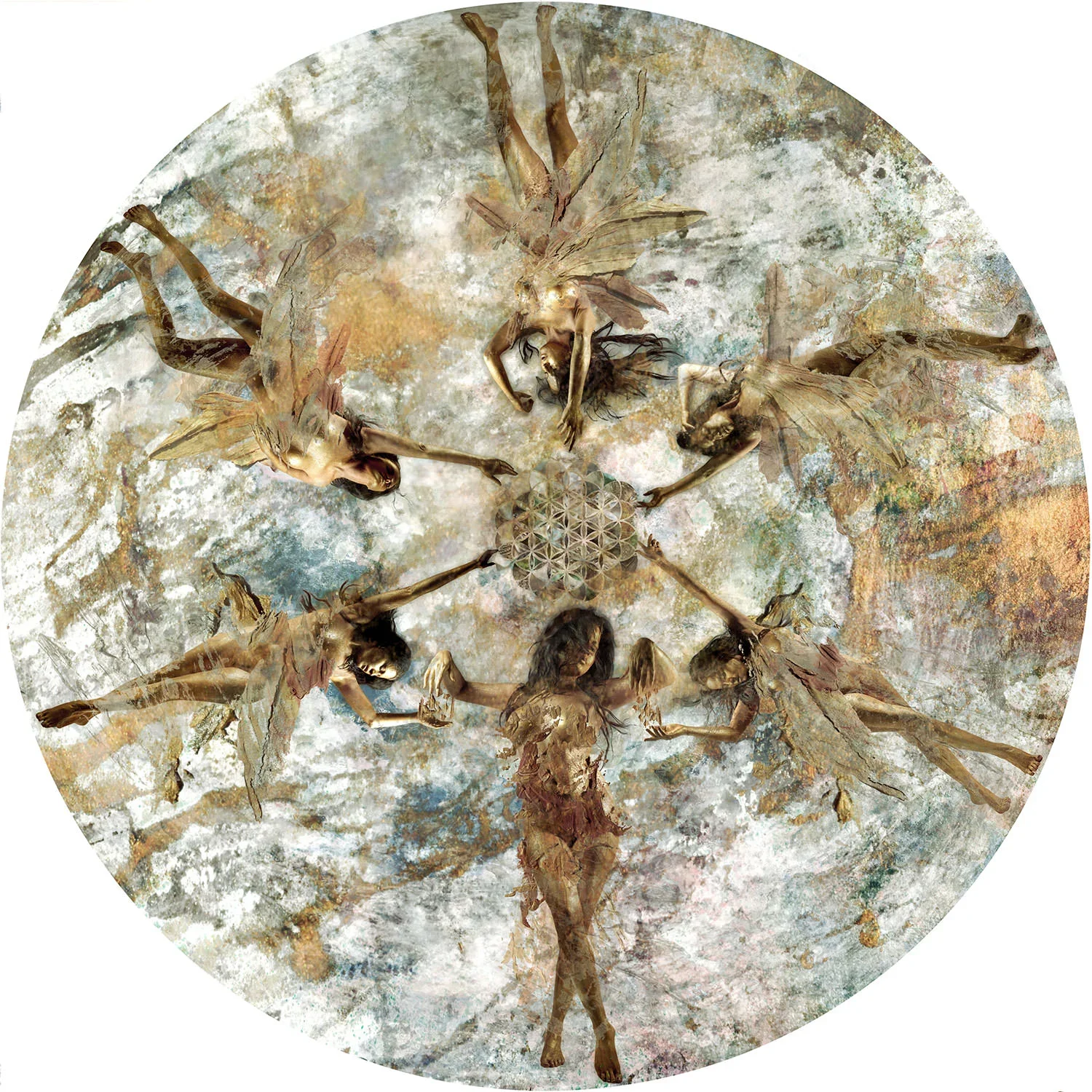
The project took two years of research, crafting and strategy. The cultural context demanded it. This was not a provocation. It was an act of bridge-building between worlds that rarely speak to each other. The works use painting, photography, and digital composition to explore identity, courage, self-determination, and the spiritual dimension of the body.
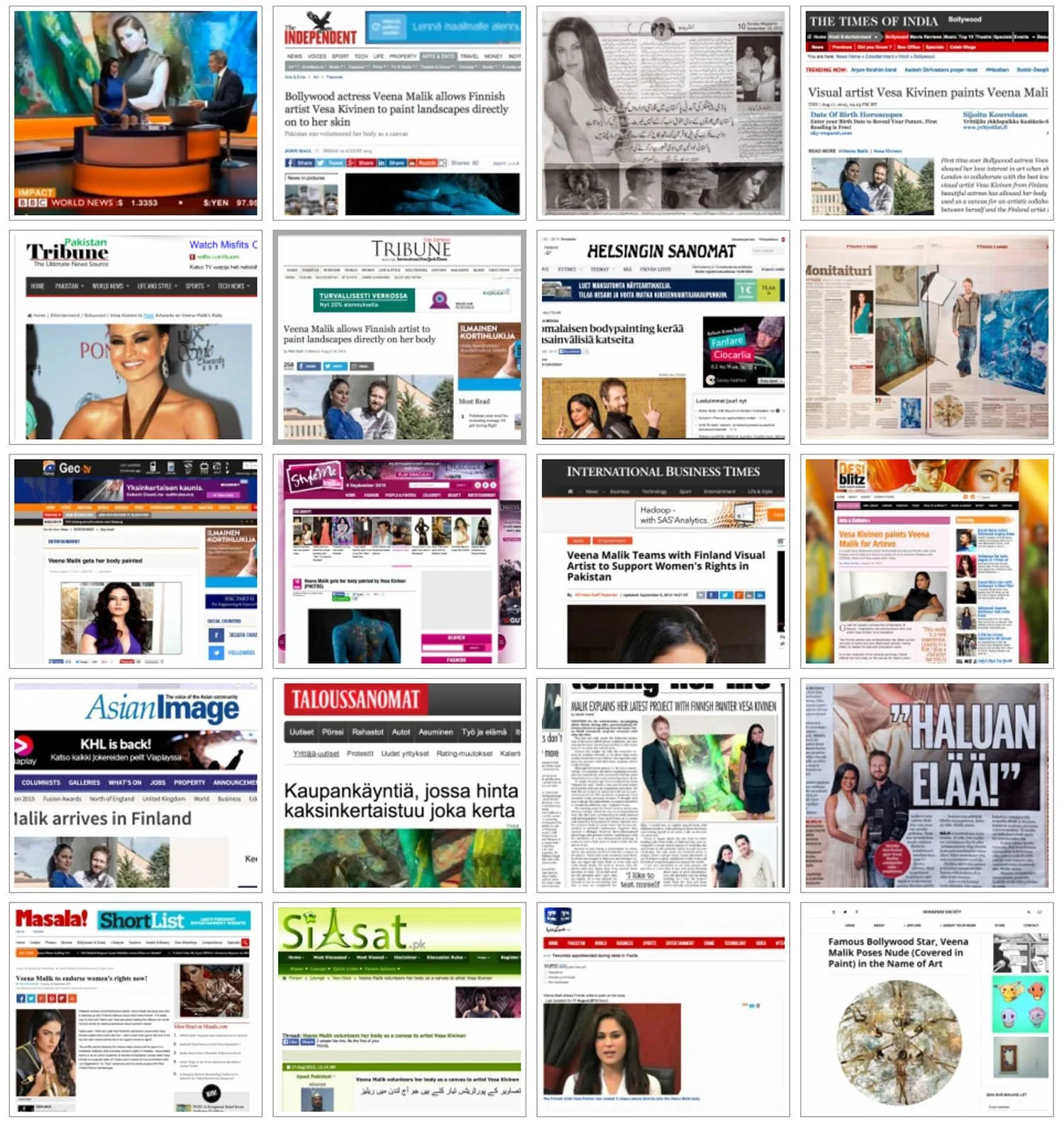
For Veena, the process was personal healing as much as cultural statement. For 300 million people who encountered the work through BBC World, The Independent, Times of India, Vice, and International Business Times, it was a question they had not been asked before.
The project was well received in Pakistan also. The bridges held.
-
![]()
Flower Of Life
-
![]()
Mohenjo Daro
-
![]()
Beginning of a New Era
-
![]()
Dawn
-
![]()
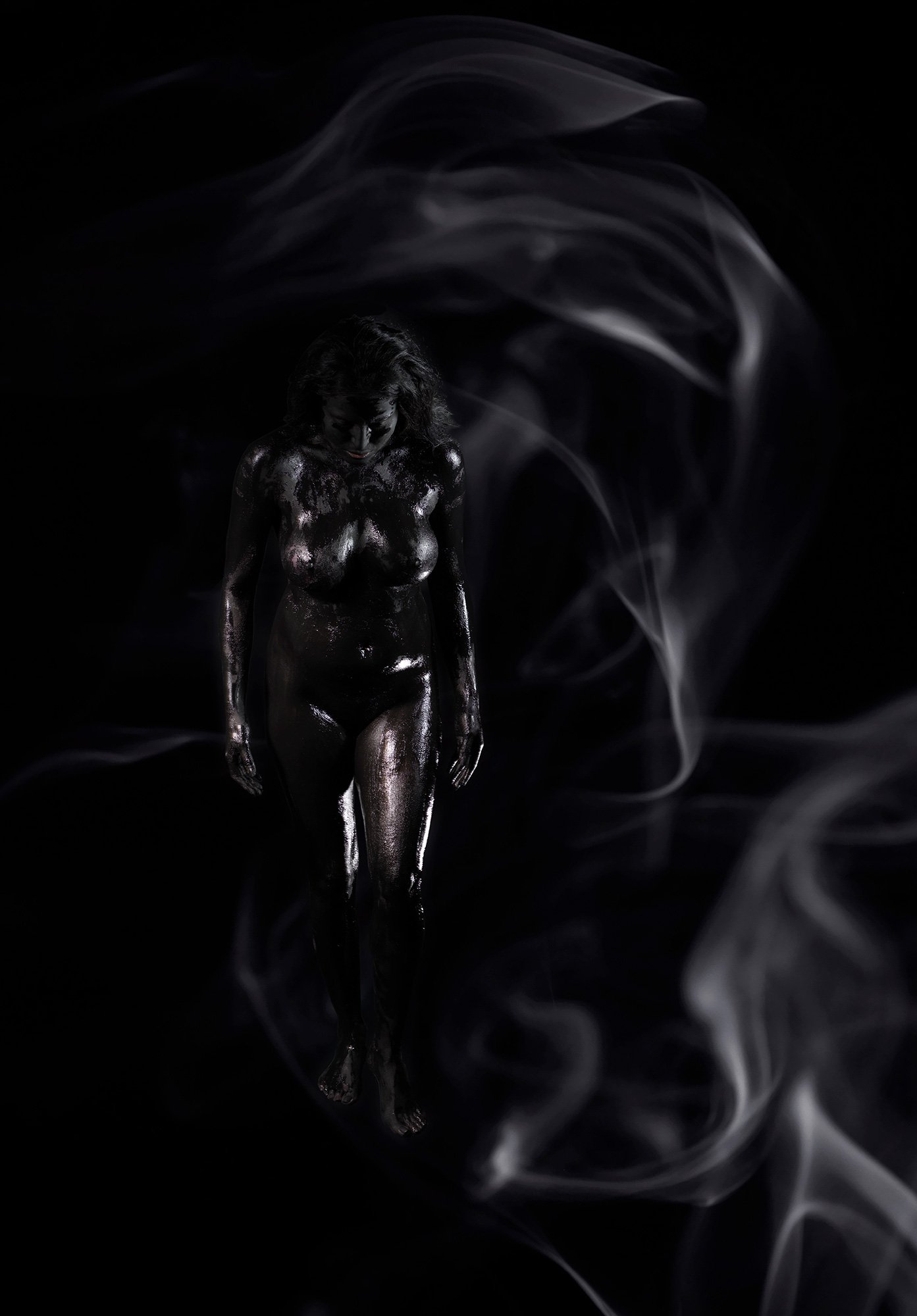
Musta Hevonen (Black Horse)
-
![]()
Fortress
-
![]()
From Helsinki Capital Partners show with Jon Anthony West
-
![]()
London private house show opening
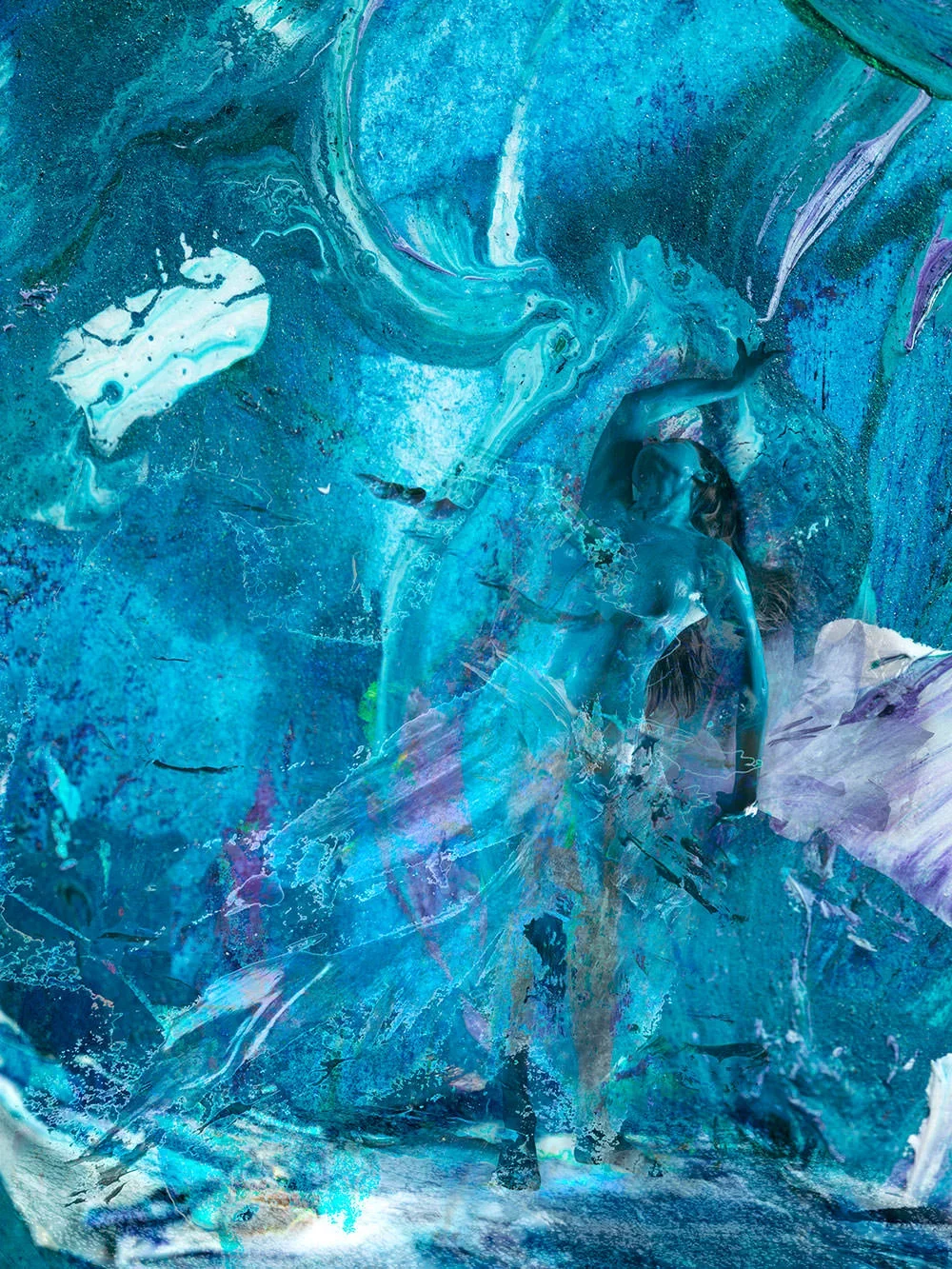
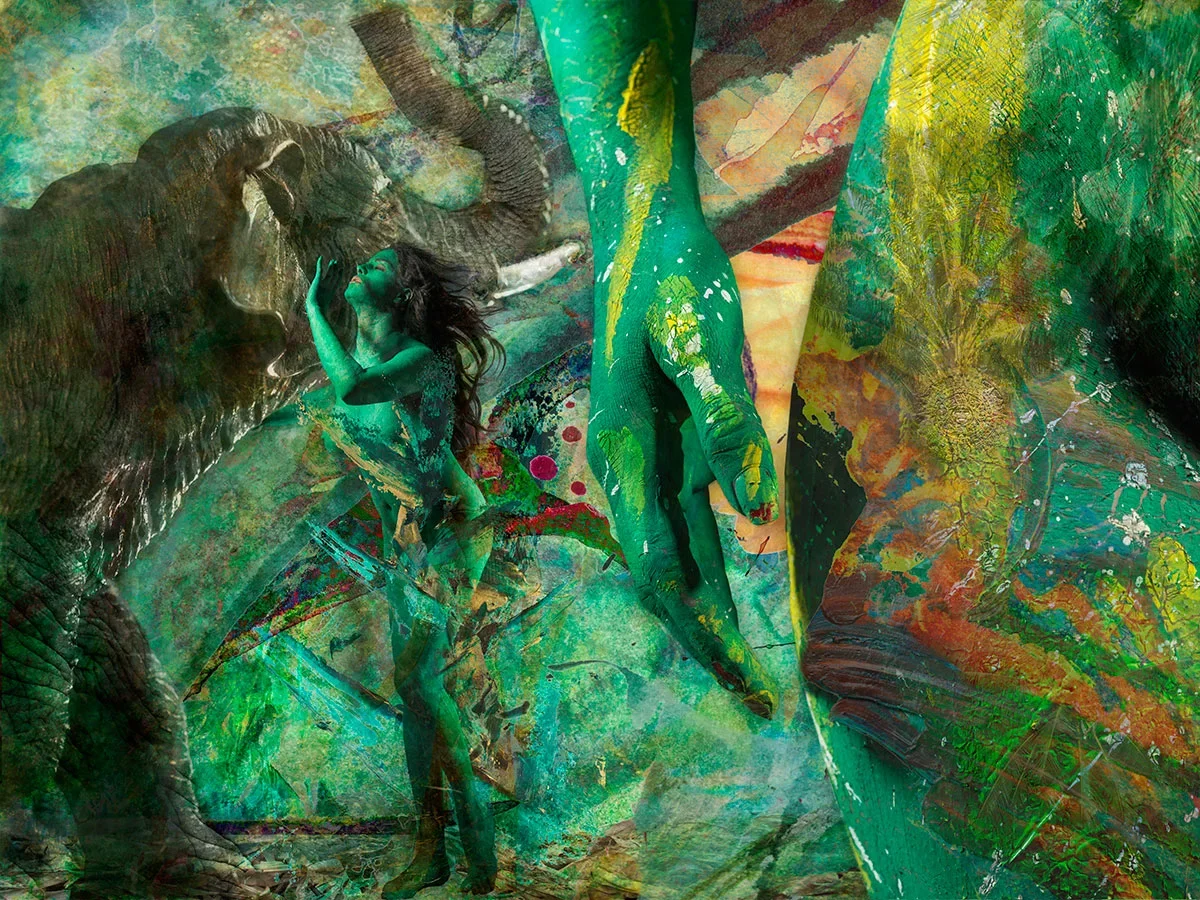
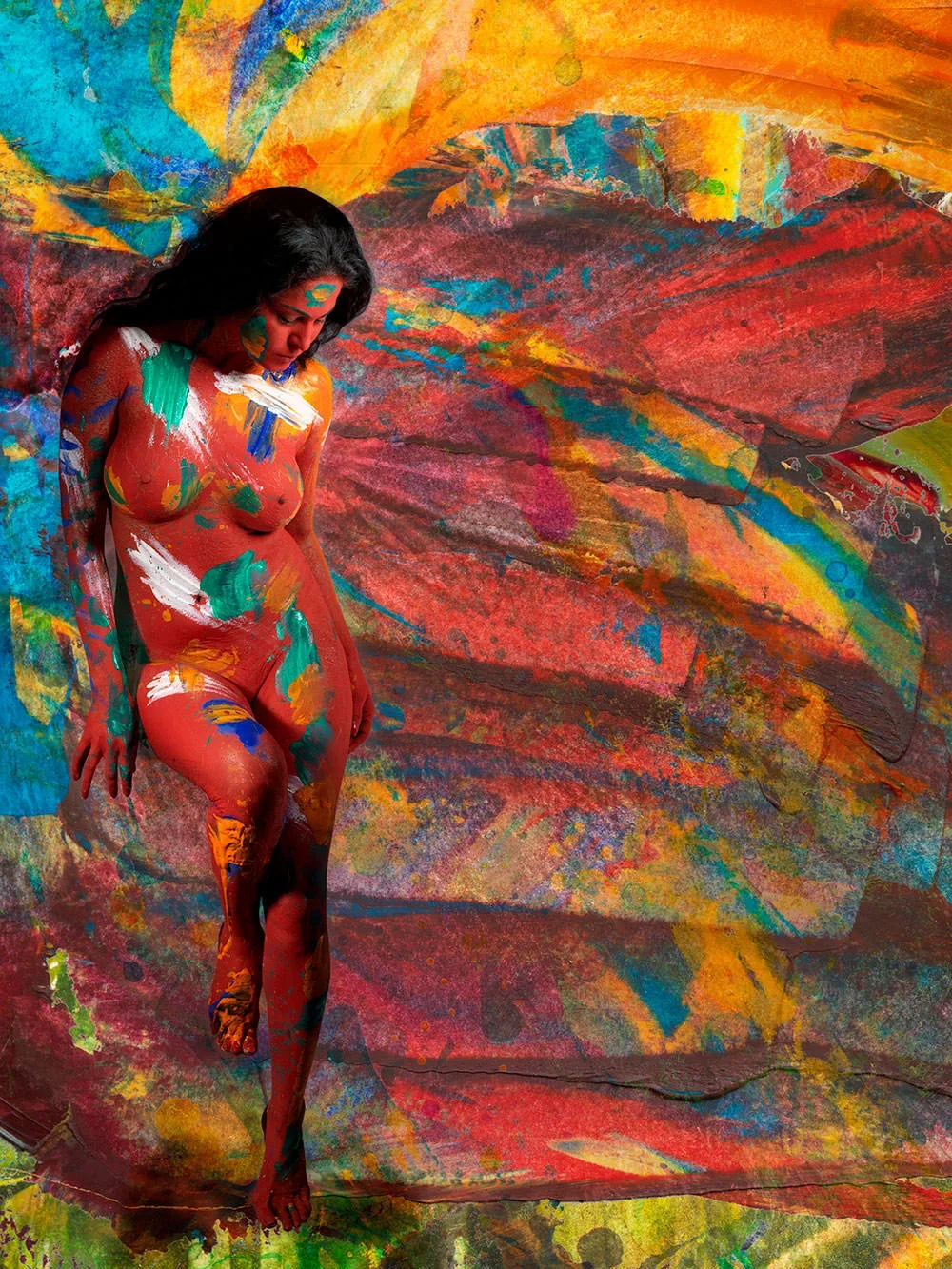
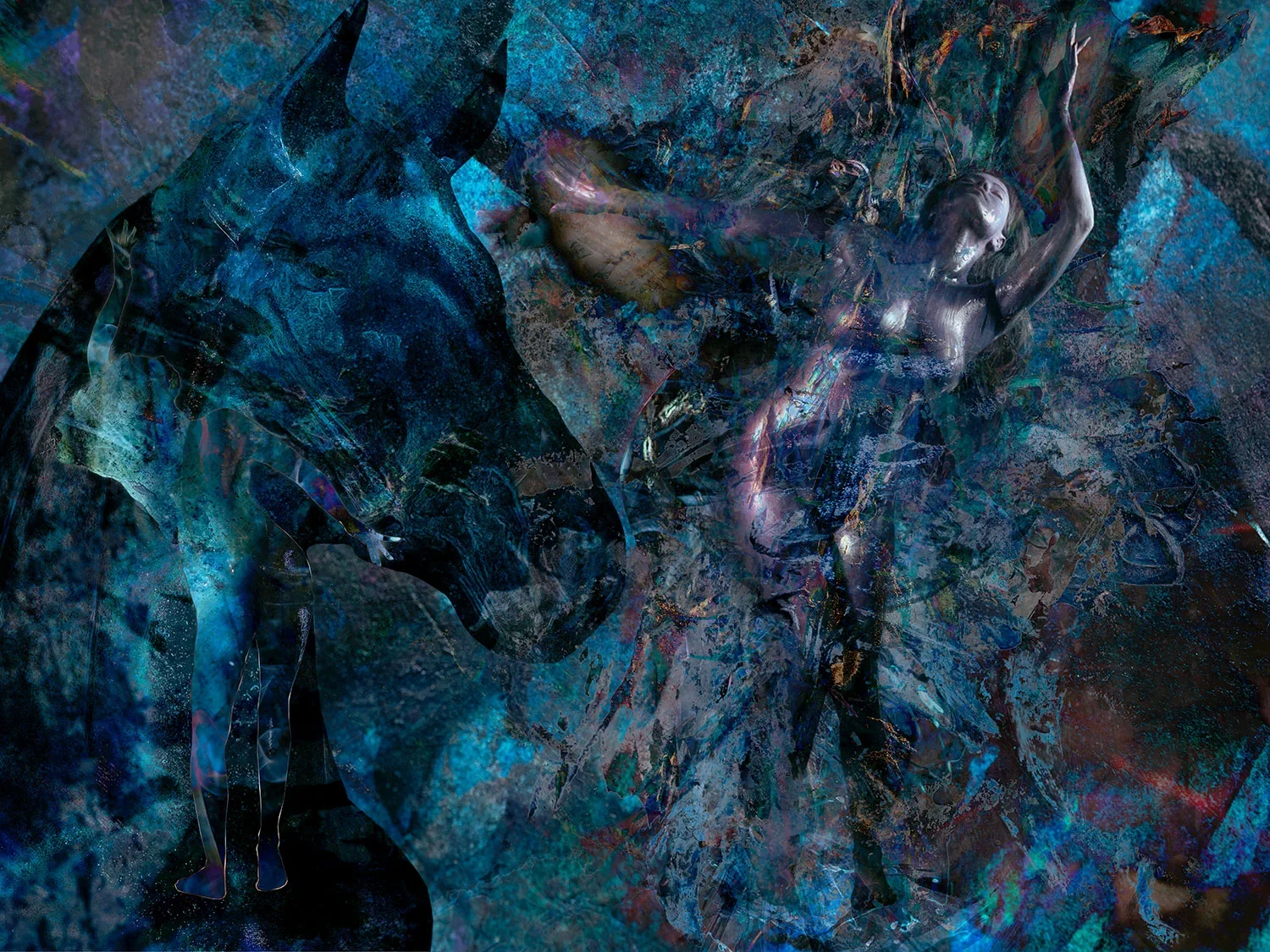
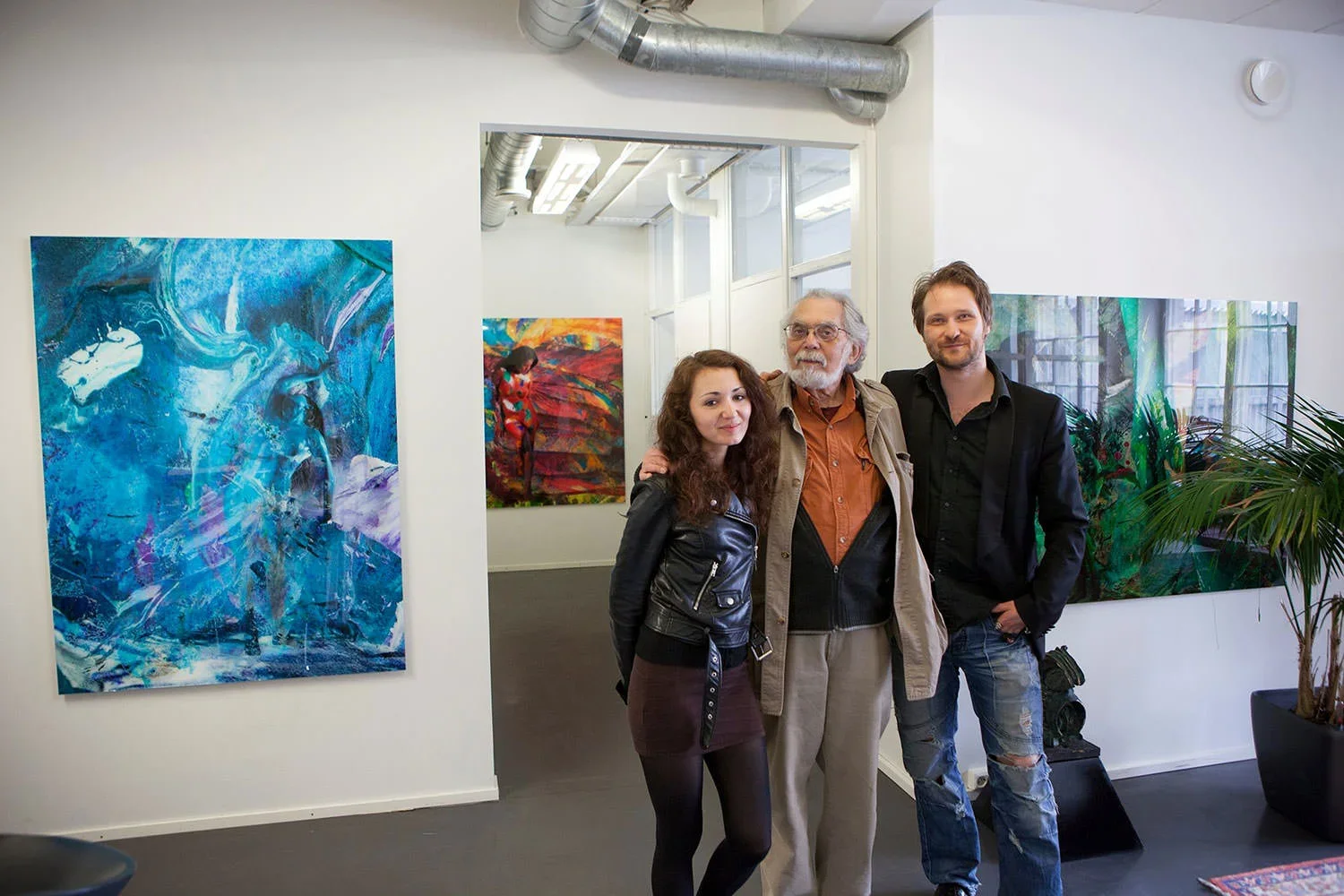
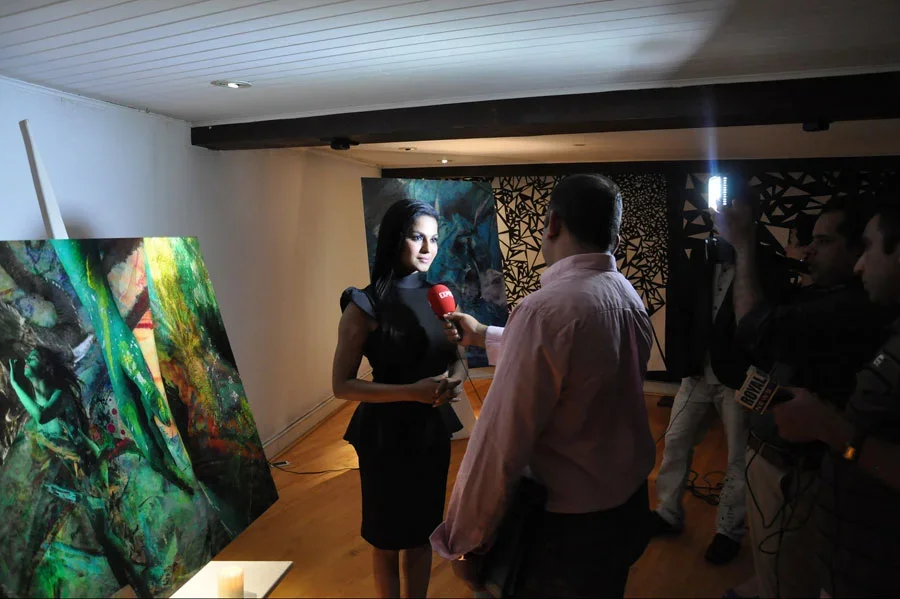
Veena Malik is a Pakistani actress and public figure whose career has spanned film, television, and humanitarian work. In 2013, the collaboration between Malik and VESA challenged cultural boundaries that few in either the art world or the entertainment industry were willing to touch.
The response was immediate and global. The work was celebrated in some quarters and condemned in others. It was covered by BBC World, The Independent, Times of India, Vice, and International Business Times.
The question the project asked has not gone away. It has only become more urgent.
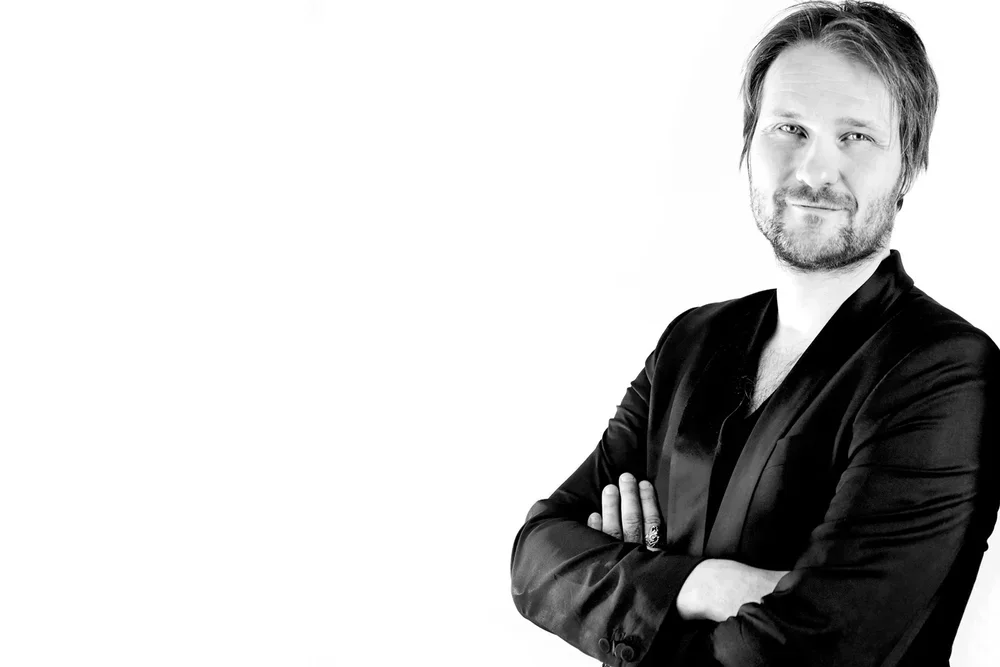
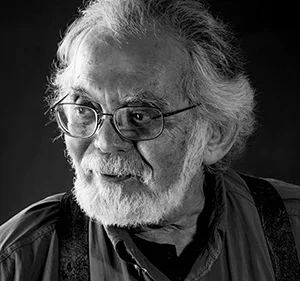
Vesa Kivinen
Vesa Kivinen (VESA) works across painting, photography, digital composition, and immersive environments. At the time of this project, VESA had been developing his multi-layered physical to digital process for five years.

Veena Malik
Veena Malik is an actress and public figure whose career has spanned film, television, and humanitarian work including representing the World Health Organization and sponsoring children through SOS Children's Villages in Pakistan.
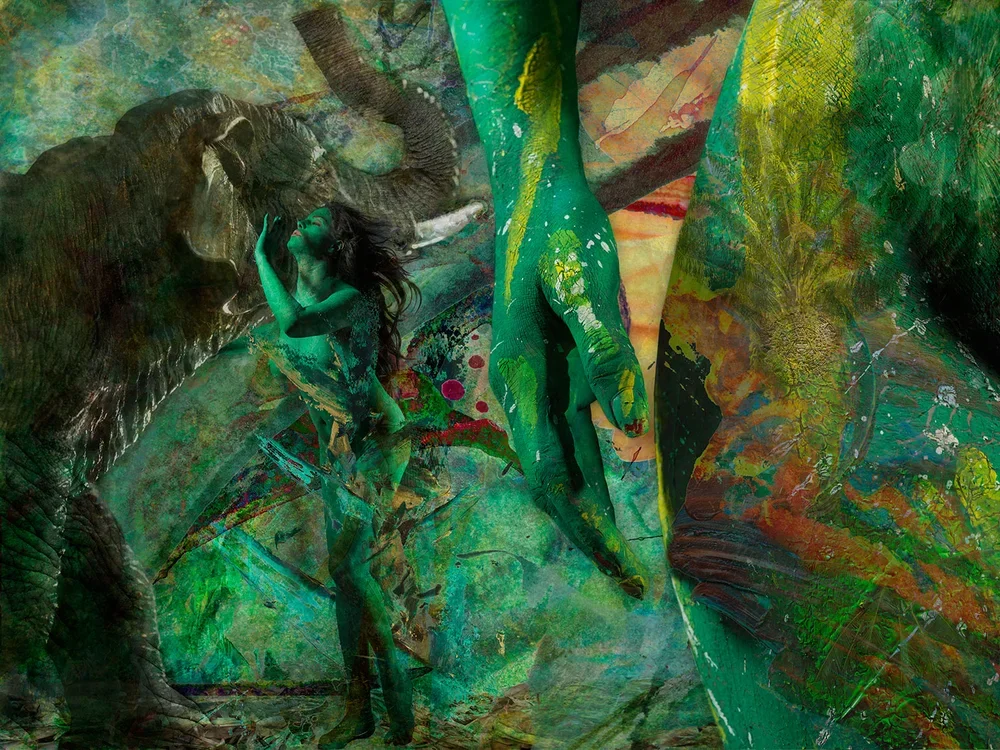
What happened
We explored the common origin of all spirituality all over the world and presented a harmonious foundation
the creative process consisted of over 2 years of intense research, travels to five countries and countless hours of open conversations. The challenge was to let go of everything that was not serving the spirit of discovery.
Bridge building
Philosopher Ken Wilber's integral theory as well as countless documentary films and books served as the foundation to find a solution based orientation. The works were made in the spirit of building bridges between the East and West with content that strived for respect and gratitude for all traditions in our emerging truly global culture.
unity
These works are now part of our cultural history as a positive progressive force. They are a reminder on how all of our cultures are still emerging ones. How nothing is really set in stone and our future really is what we choose to make of it.
Beauty
Professor Christopher Alexander some time ago stated: "It is time for us to live in beauty" as he noted that every action we make in a time of global crises should reflect beauty on a level or another.
“Vesa’s art is amongst the most integrally advanced in the history of Western abstraction – no small claim, but one backed up by the works themselves. Rather than abstraction as a fleeing from life, his works are a diving into the incarnate mystery of human being — direct celebrations of the fullness of Life.”
— Michael Schwartz, Professor of History and Philosophy of Art, Augusta State University, March 2014
“When Finnish artist Vesa Kivinen captures your “portrait,” he doesn’t just hint at the contents of your soul—your deepest fears, desires, triumphs, and avenues of personal expression. Vesa brings them all to the surface, creating collage imagery that reveal more about his subjects than even the subjects themselves thought possible. While he is not the first to do this kind of work, he may very well be the best. ”
— DL Cade, Editor in Chief of 500px, February 2016
“Kivinen’s work had no points of reference. Unlike most local artists, Kivinen wasn’t recycling successful foreign approaches and adapting them within a local context. He wasn’t replicating a preexisting genre or playing out well-known devices. Whether for better or for worse, Kivinen is – as childish as this may sound – an original.”
— Rory Winston, Cultural editor of the New York Resident August 2014
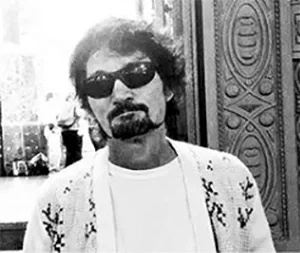
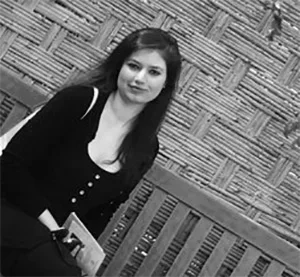
“What occurs is a reinvention of cultural norms as we understand them. It is Postmodern in its very essence, but with an added element of natural rudimentary common in the Renaissance period, which counteracts futuristic notions. Geat art usually involves the combination of beauty, imagination and extraordinary skill, and artist Vesa Kivinen is no exception.”
— Lead Editor Aisha Farooq on Artevo / Veena Malik Project on DesiBlitz 8/2013
“It is a pleasure to recognize and appreciate Vesa’s work before he becomes a global star.”
— John Anthony West, Emmy Award Winning Documentary Filmmaker / Author