MAPS OF THE ETERNAL
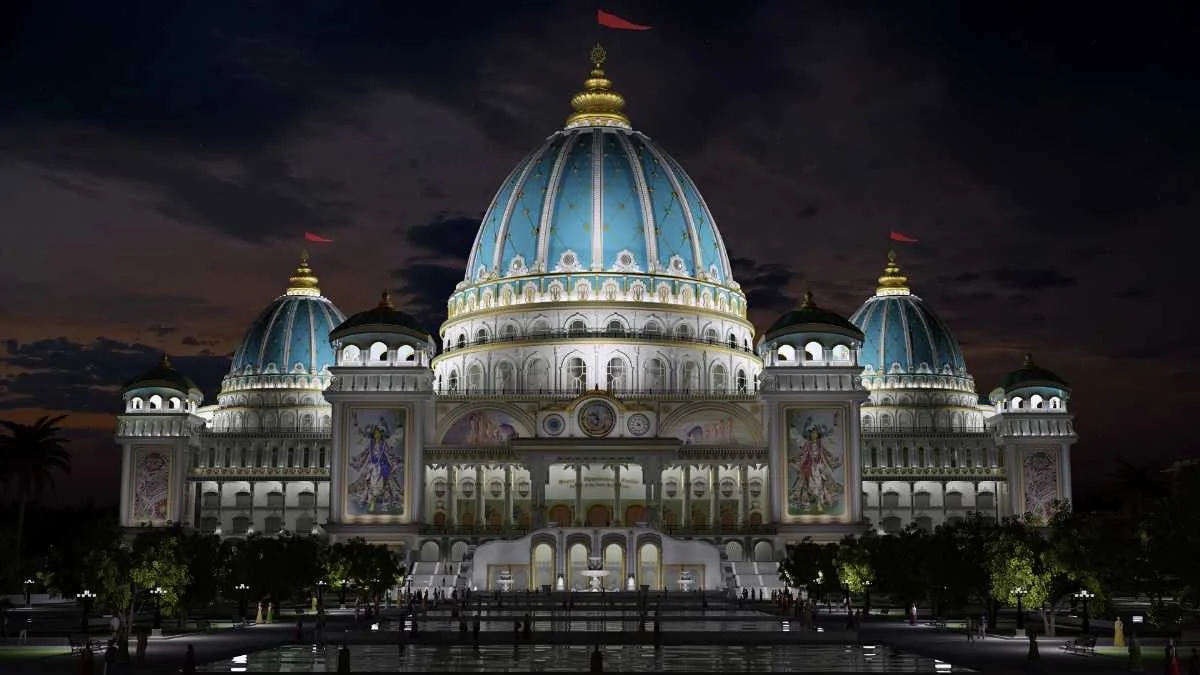
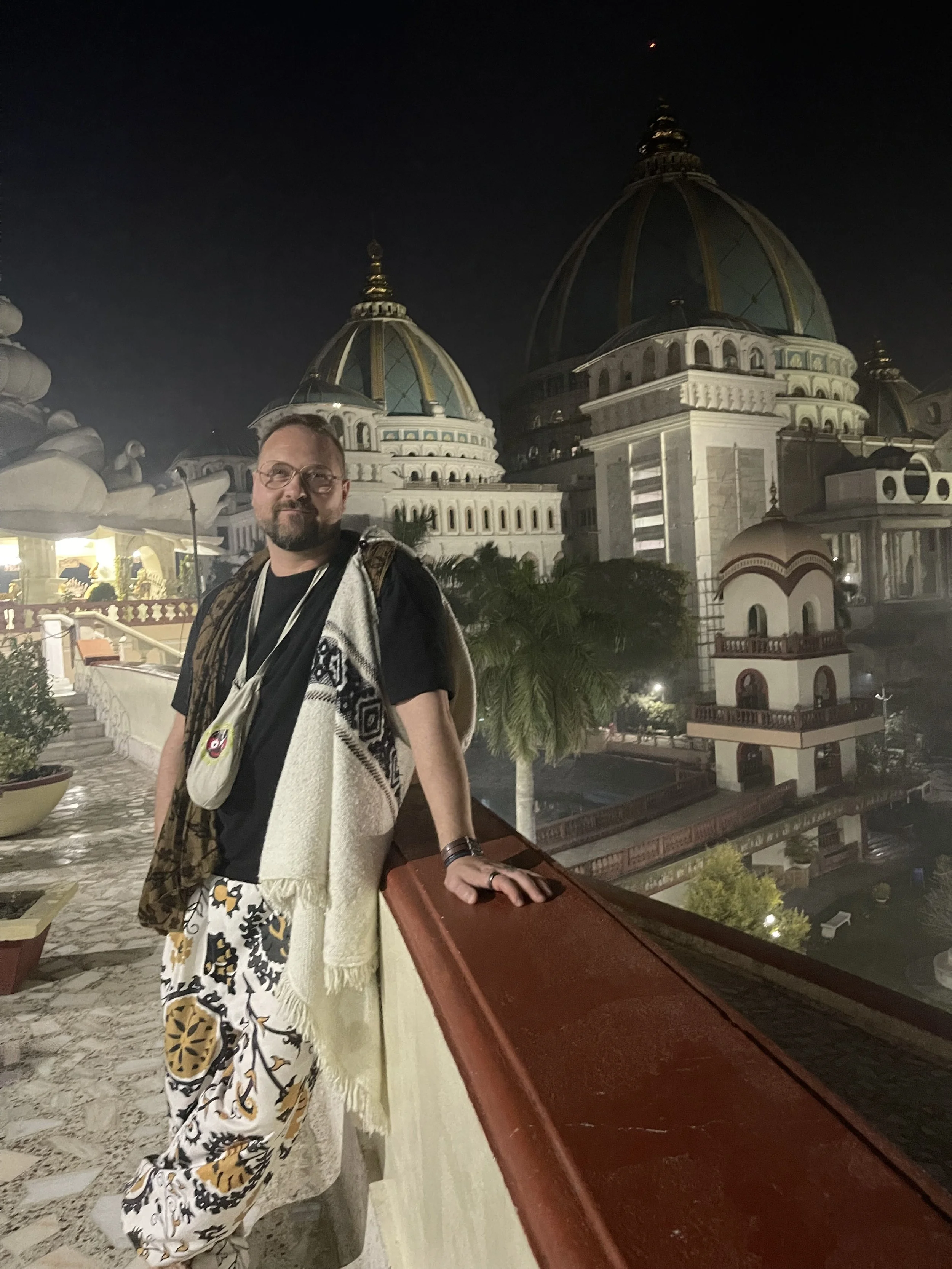
ISKCON Mayapur:
Temple of the Vedic Planetarium
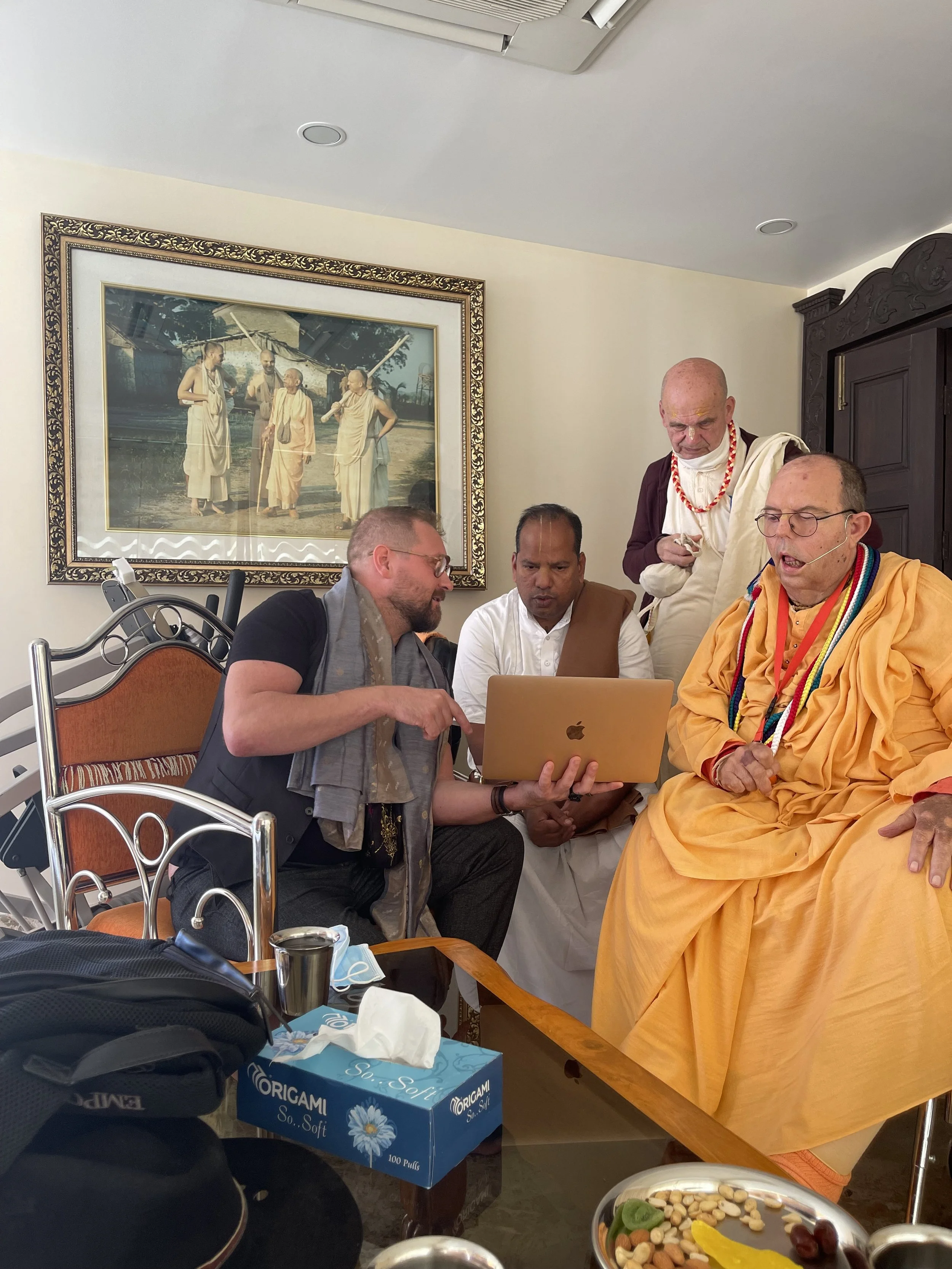
VESA discussing the physical and digital implementation of sacred art in a temple context with Jayapataka Swami, a senior ISKCON guru, sannyasi, and Governing Body Commissioner in the Gaudiya Vaishnava tradition.
The conversation in Mayapur explored how contemporary artistic tools can serve devotional experience, education, storytelling, and the living transmission of wisdom traditions.
Krishna, the Gita, and the Living Image
Maps of the Eternal is a body of work exploring Krishna consciousness, the Bhagavad Gita, the Srimad Bhagavatam, and sacred Indian image-making through VESA’s contemporary visual language.
For VESA, these sources are maps of consciousness, desire, duty, attention, identity, surrender, love, and transformation.
The works move between canvas, screen, motion, and immersive experience. Sacred imagery is not confined to one surface.
This is not a religious exhibition with digital effects. It is not a digital exhibition using sacred imagery. It is a contemporary cultural inquiry into how ancient systems of inner knowledge can speak through the tools of the present.
At its centre is the question that has guided VESA’s wider practice since 2008:
How can art become a map of the inner world?
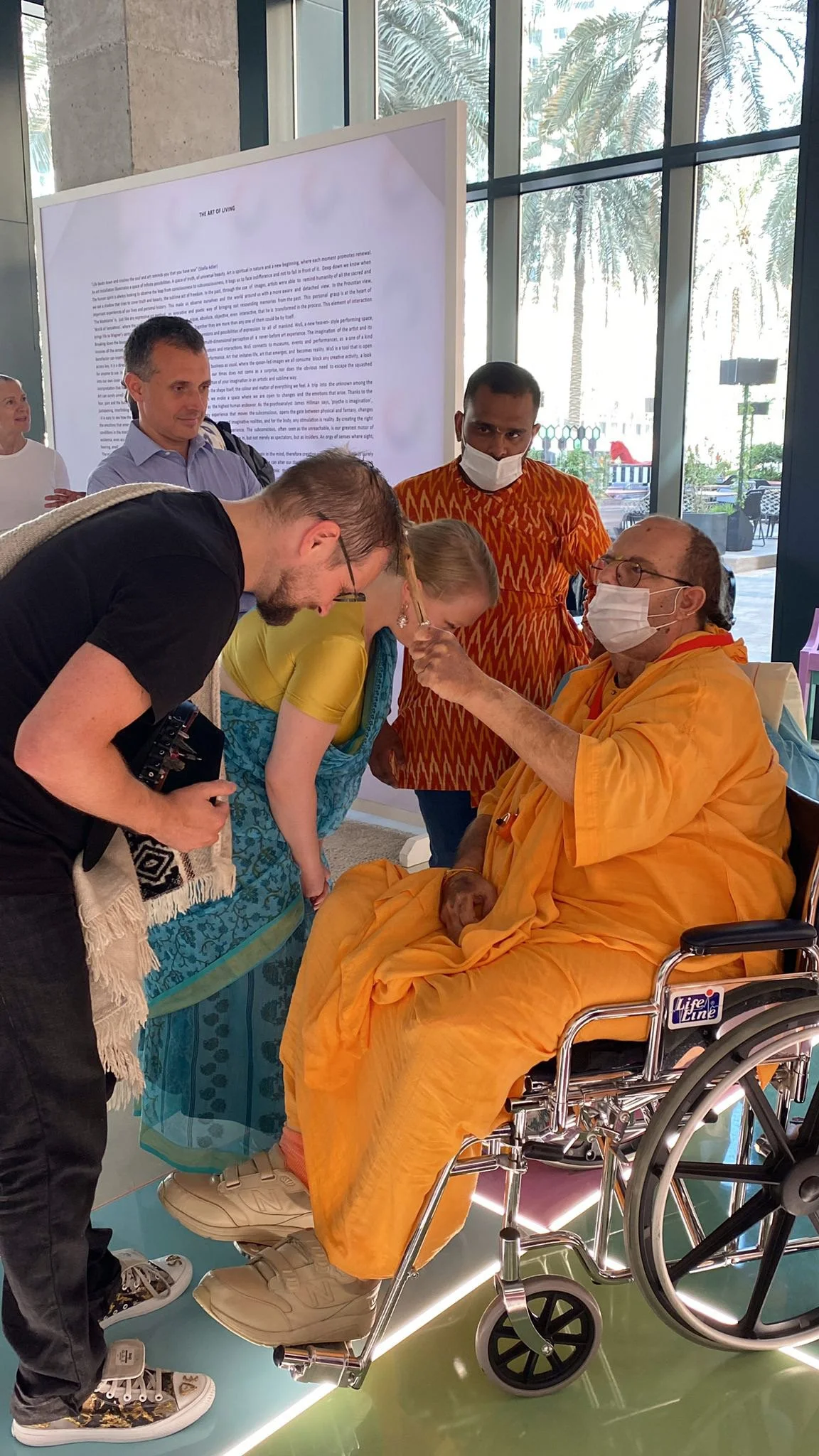
Jayapataka Swami visited the Art In Space Gallery in Dubai to explore how contemporary artistic tools could serve the Temple of the Vedic Planetarium.
Lord Jagannath: Tradition and Contemporary Depth
Lord Jagannath is traditionally presented through a bold, iconic visual language: frontal, symmetrical, highly recognizable, and often placed against a clean background that emphasizes the sacred form.
VESA’s interpretation preserves the essential structure and devotional presence of Lord Jagannath, while expanding the image into a deeper physical and digital field. Through his process of photography, painting, digital composition, texture, and layered symbolism, the familiar icon becomes a living surface of depth, light, and material complexity.
The result is not a replacement of the traditional form, but a contemporary extension of it.
Where the traditional image gives us the sacred icon in its most direct form, VESA’s version opens the image into atmosphere, materiality, and inner space. The work can be scaled into large physical prints, immersive environments, animated layers, and architectural surfaces, allowing the devotional image to move beyond flat representation into experiential presence.
This is where VESA’s practice becomes especially relevant to temples, museums, and cultural institutions: it offers a way to bring sacred imagery into contemporary formats without losing the spiritual centre of the tradition.
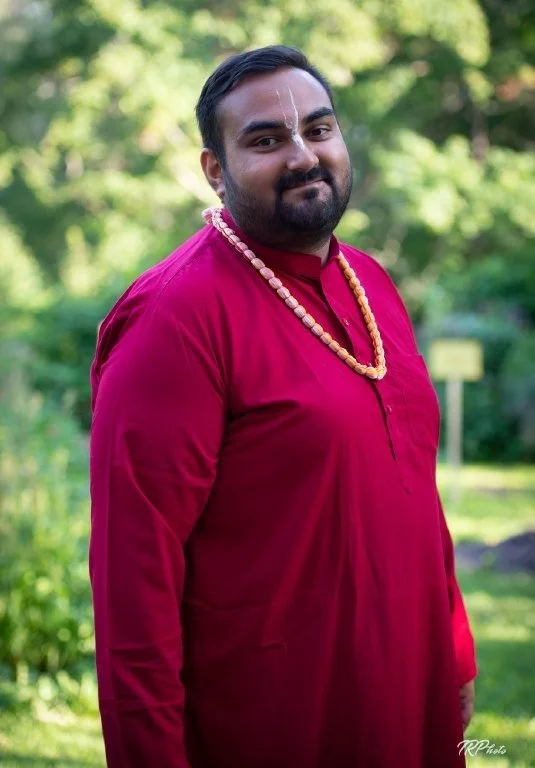
“Through VESA's hands, art becomes an act of devotion. Rooted in the spirit of Sanatana Dharma, Yoga and the divine presence of Lord Sri Krishna, his artwork opens a path of remembrance for the heart and mind to remember its true connection with the Divine. The artwork not only connects one with the divinity but also carries a piece of spiritual and cultural heritage of Bharat. “
- Guruttama Dasa (Gurmann Saini), Leadership team of ISKCON Finland & Advocate of Hindu Affairs in Finland
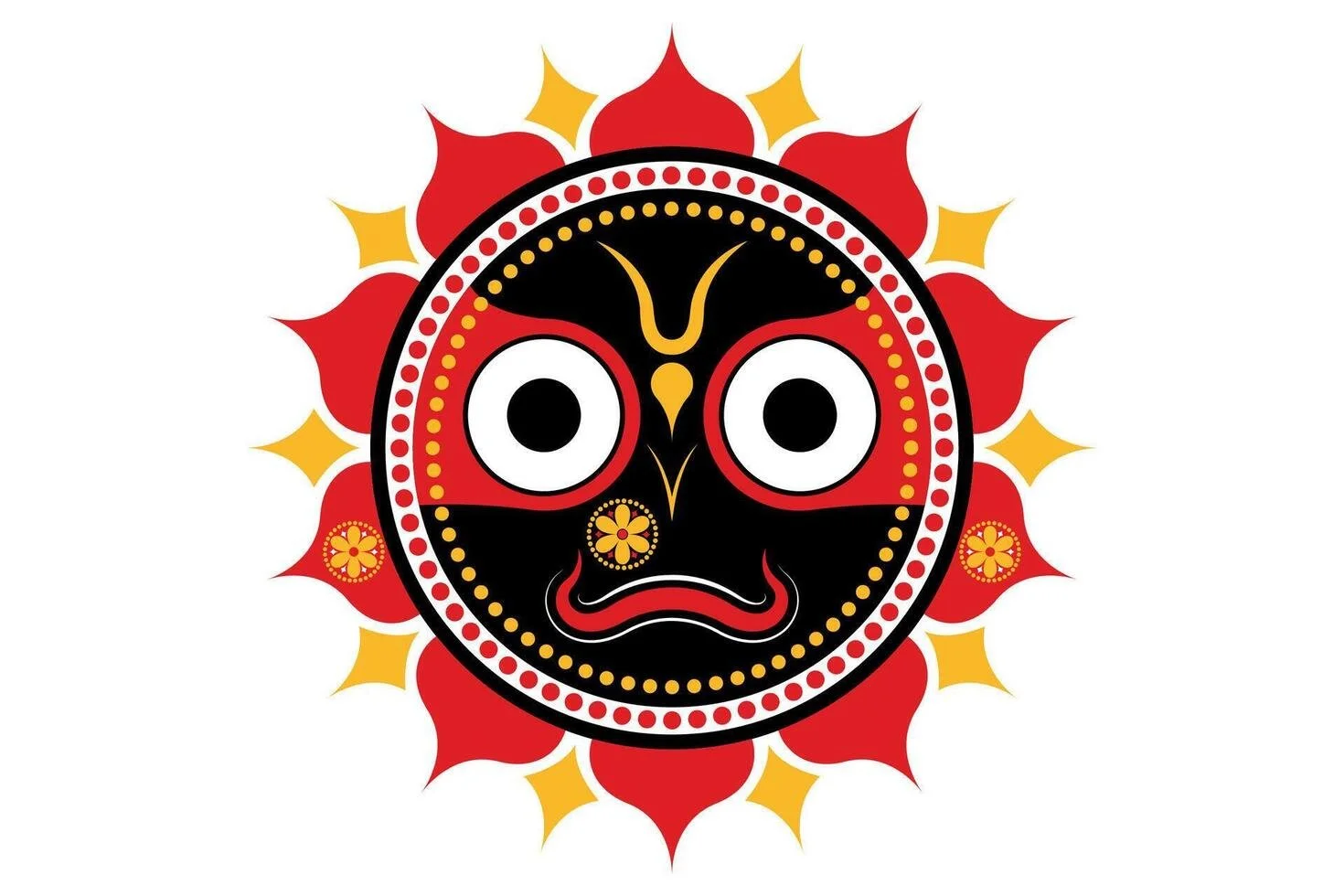
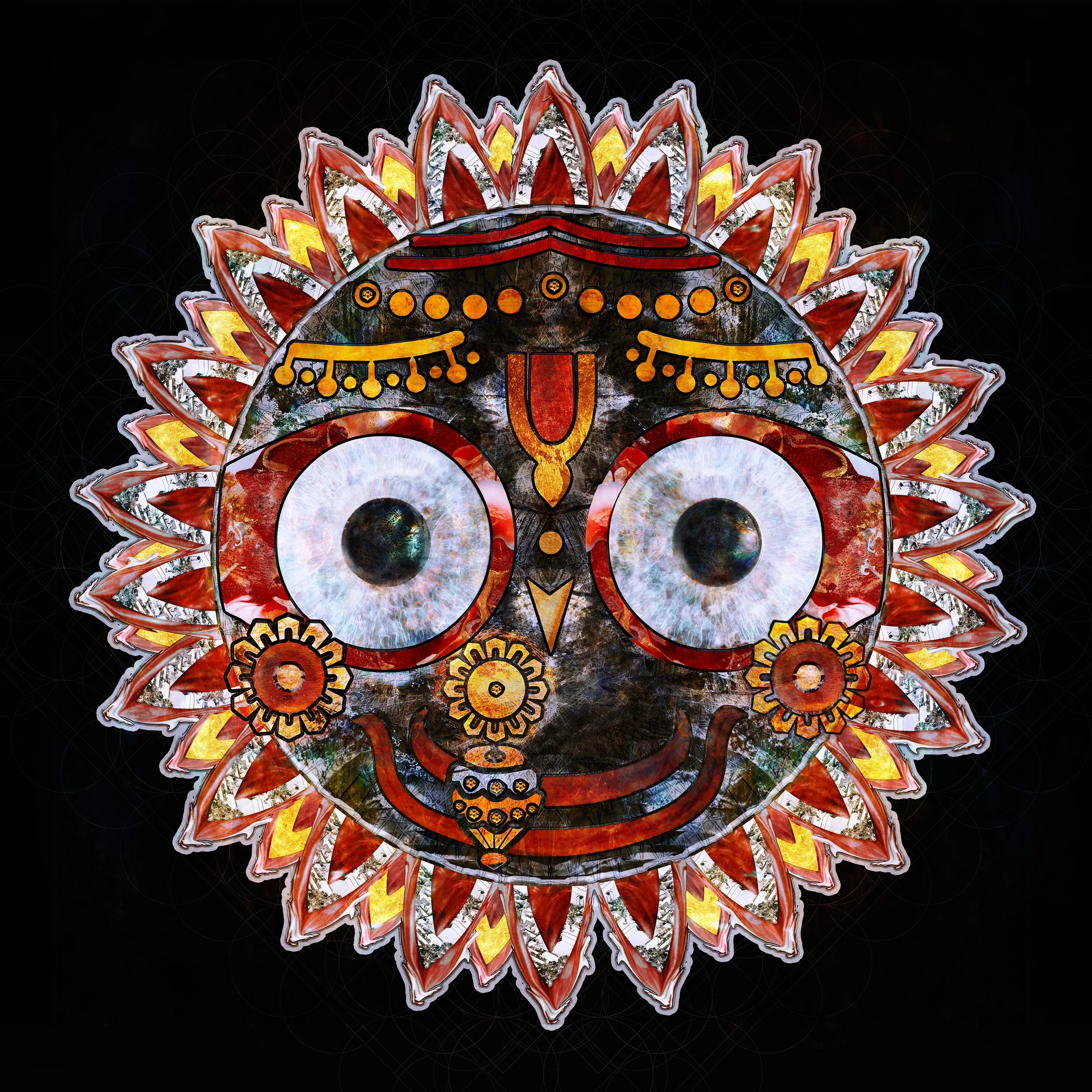
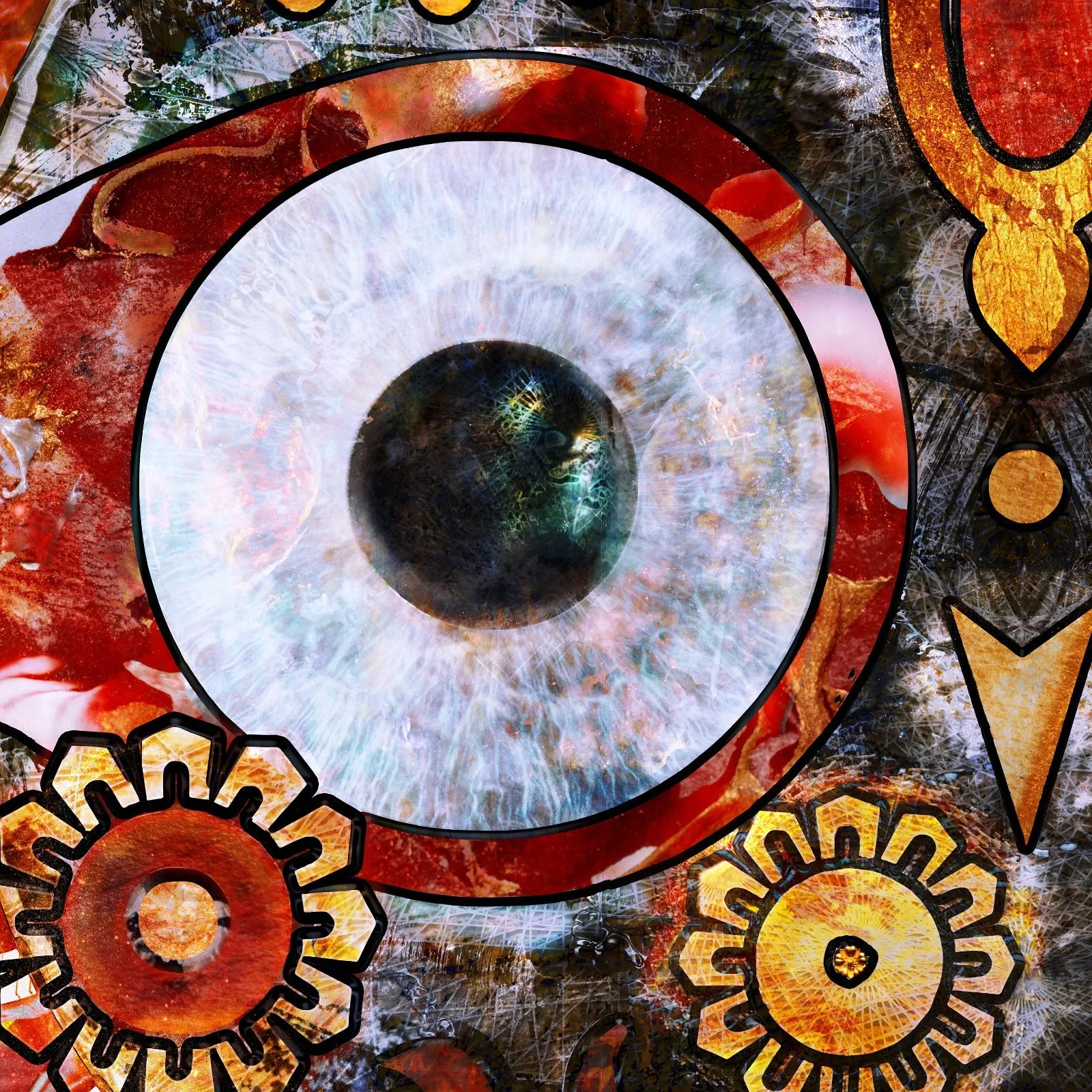
The digital original scales to any physical or architectural surface.
Through AI, VESA reworked an old guitar song of his to a devotional contemporary form. His voice enhanced also by AI, this is a clear departure from the traditional form of the Maha mantra.
The Climb of Surrender
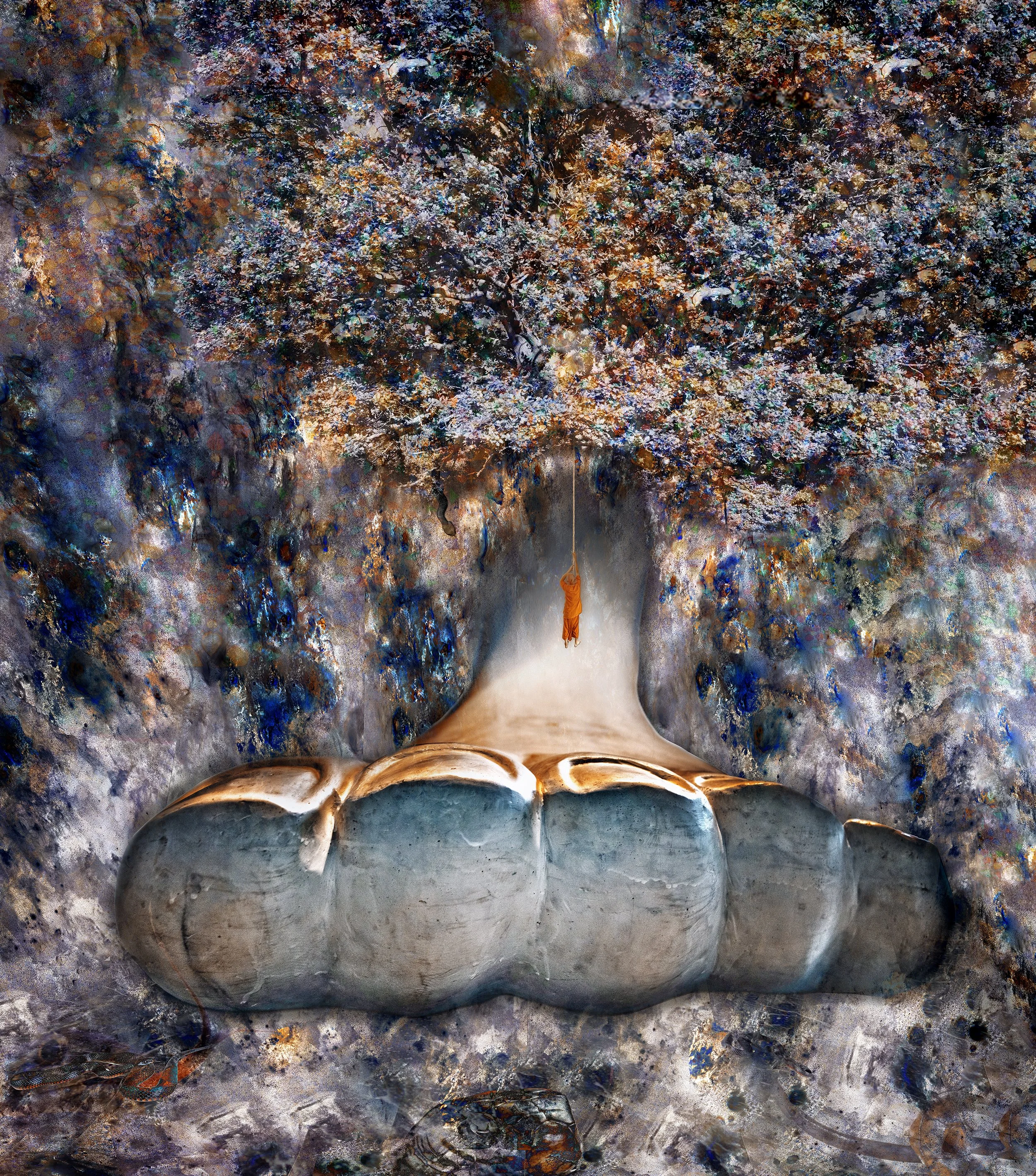
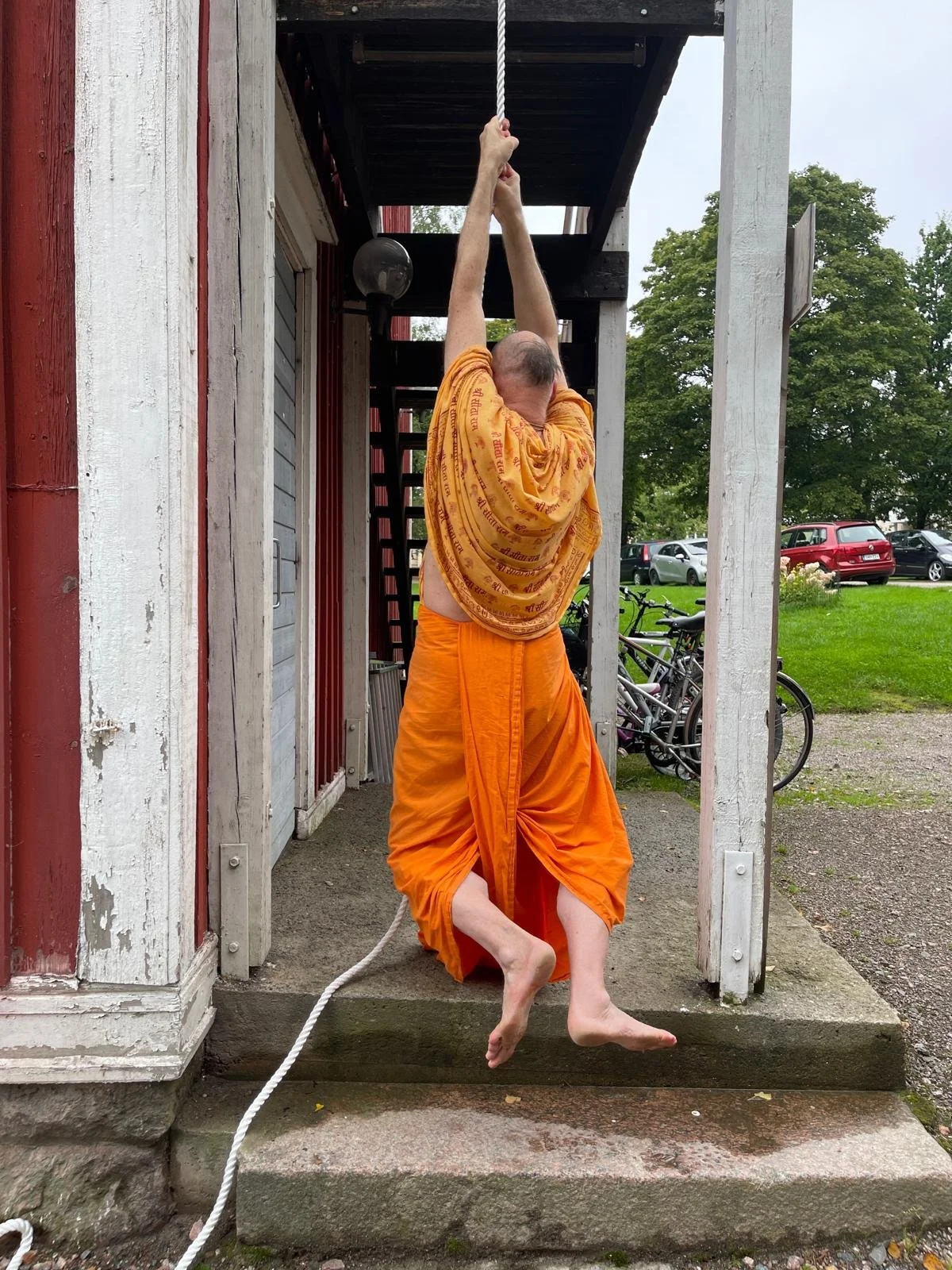
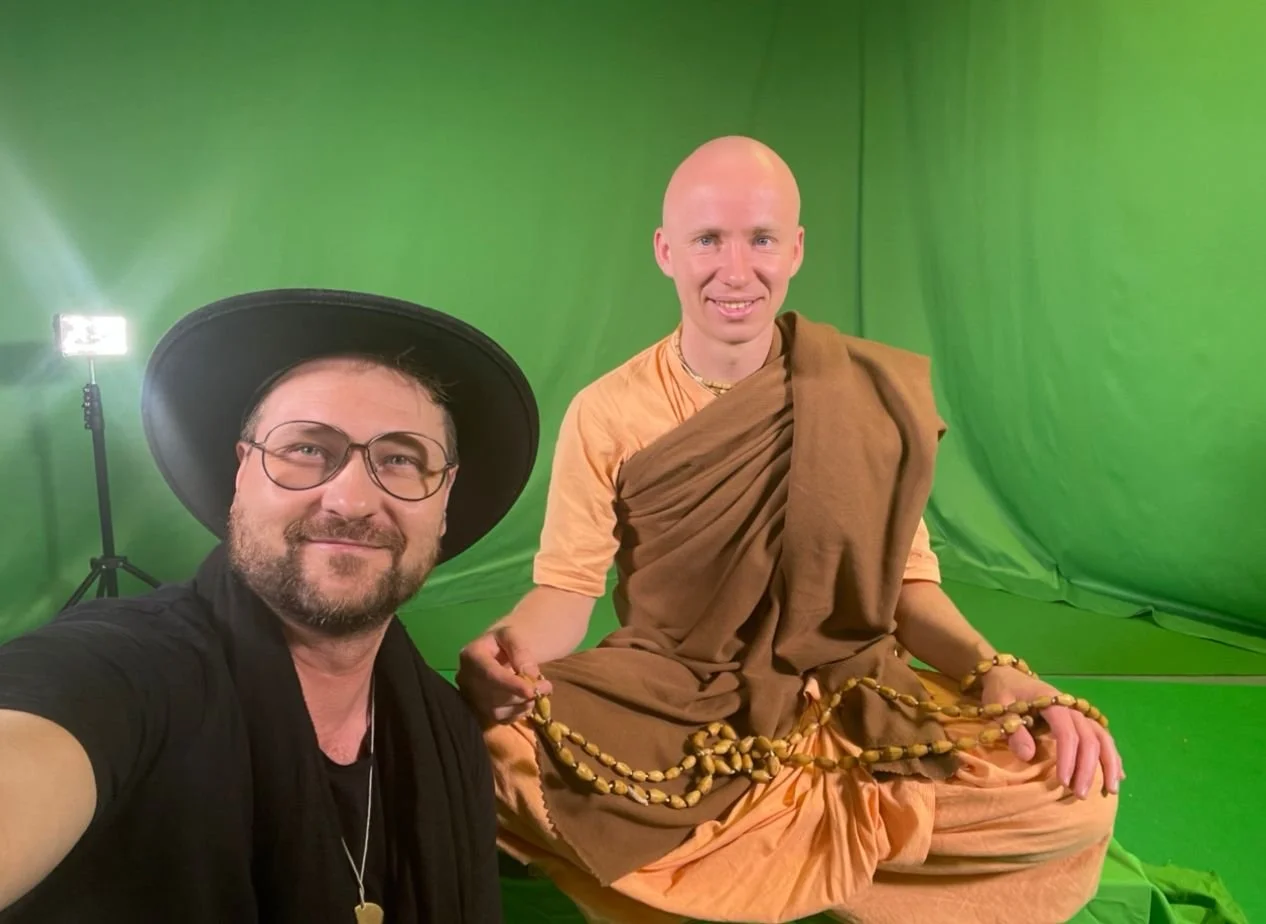
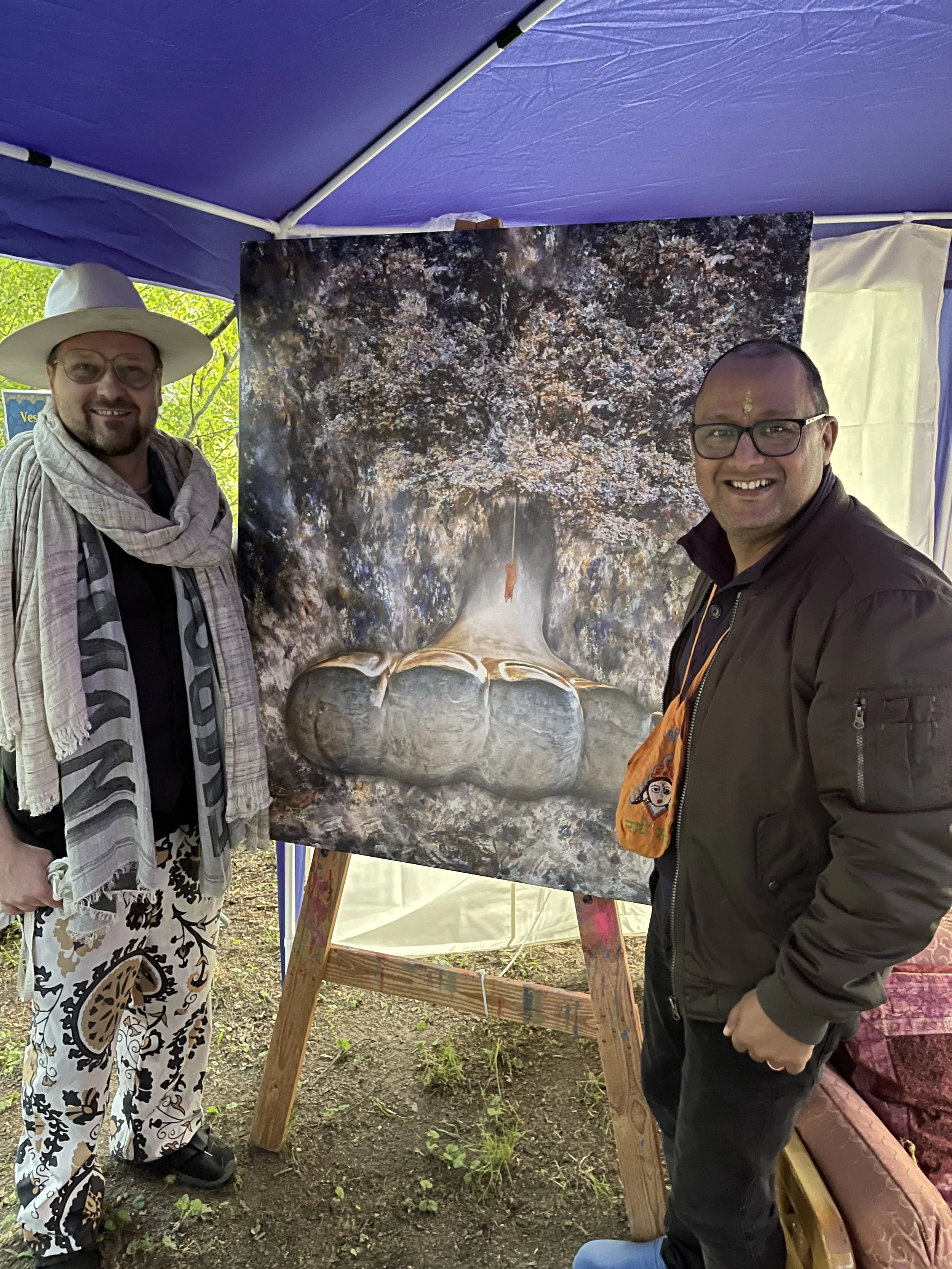
This Krishna-themed work was created through VESA’s layered process of painting, photography, and digital collage. The piece connects directly to the Helsinki ISKCON community: the monk ascending from the foot of Krishna is the community’s longest-serving Vaishnava, Kalpapada Prabhu, photographed by VESA and then integrated into the final composition.
In this way, the work did not remain only an image about devotion. It became part of devotional life itself: created with the community, offered through celebration, collected in support of the temple, and returned as service.
Further physical editions will be produced to benefit the temple.
Veer Ji Wangoo collected the first of twelve hand-finished prints to benefit the Helsinki temple.
Gopal Krishna Das was the first prabhu to be photographed for the work, as the purpose since the start was to involve many vaishnavas from the community.
Krishna: Community, Devotion, and Contemporary Image-Making
The work transforms a real devotional moment into a symbolic image of ascent, surrender, and spiritual refuge. The physical body of Krishna becomes both landscape and shelter, while the devotee moves upward toward the tree of consciousness and divine presence.
Upon closer inspection, the beautiful scene is in fact, full of snakes.
Kirtan, Light, and Inner Technology
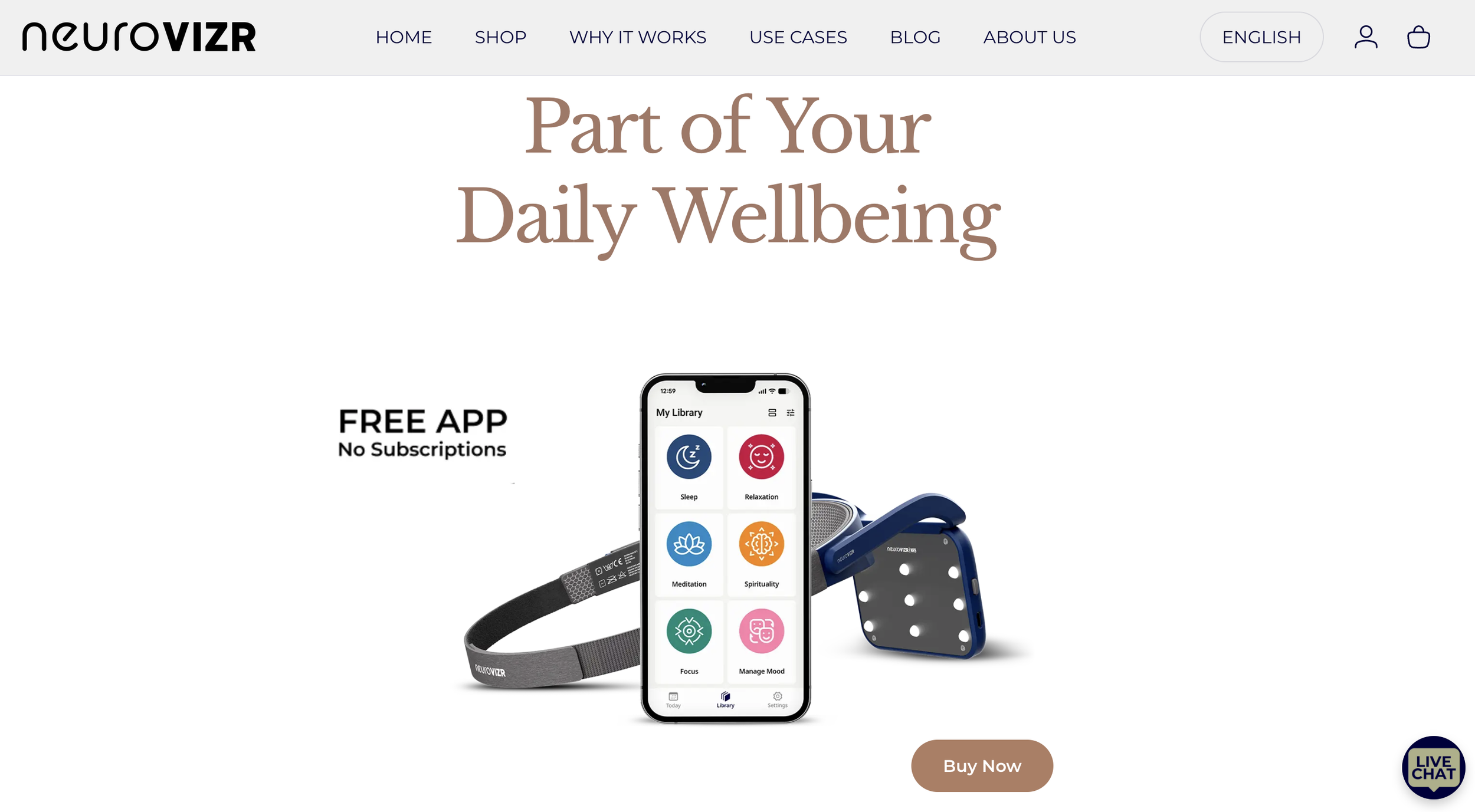
The project is also expanding beyond the image.
Through the support of Sri Vallabha Dasa, a leading figure in the ISKCON Dubai community, and his kind introduction to BB Govinda Swami, VESA is helping develop a new devotional experience for NeuroVIZR: kirtan sessions recorded in Dubai, translated into immersive light-and-sound journeys.
These experiences are being created in collaboration with Garnet Dupuis, Founder of NeuroVIZR, whose work explores how carefully designed light and sound patterns can support brain wellness, inner stillness, and altered states of attention.
The project will also explore experiences based on original recordings of His Divine Grace A.C. Bhaktivedanta Swami Prabhupada, the Founder-Acharya of the International Society for Krishna Consciousness, whose teachings brought Krishna consciousness and bhakti-yoga to a global audience.
In this extension of Maps of the Eternal, kirtan, sacred sound, light, and contemporary neurotechnology meet around the same central question as the artworks:
How can ancient systems of inner knowledge speak through the tools of the present?
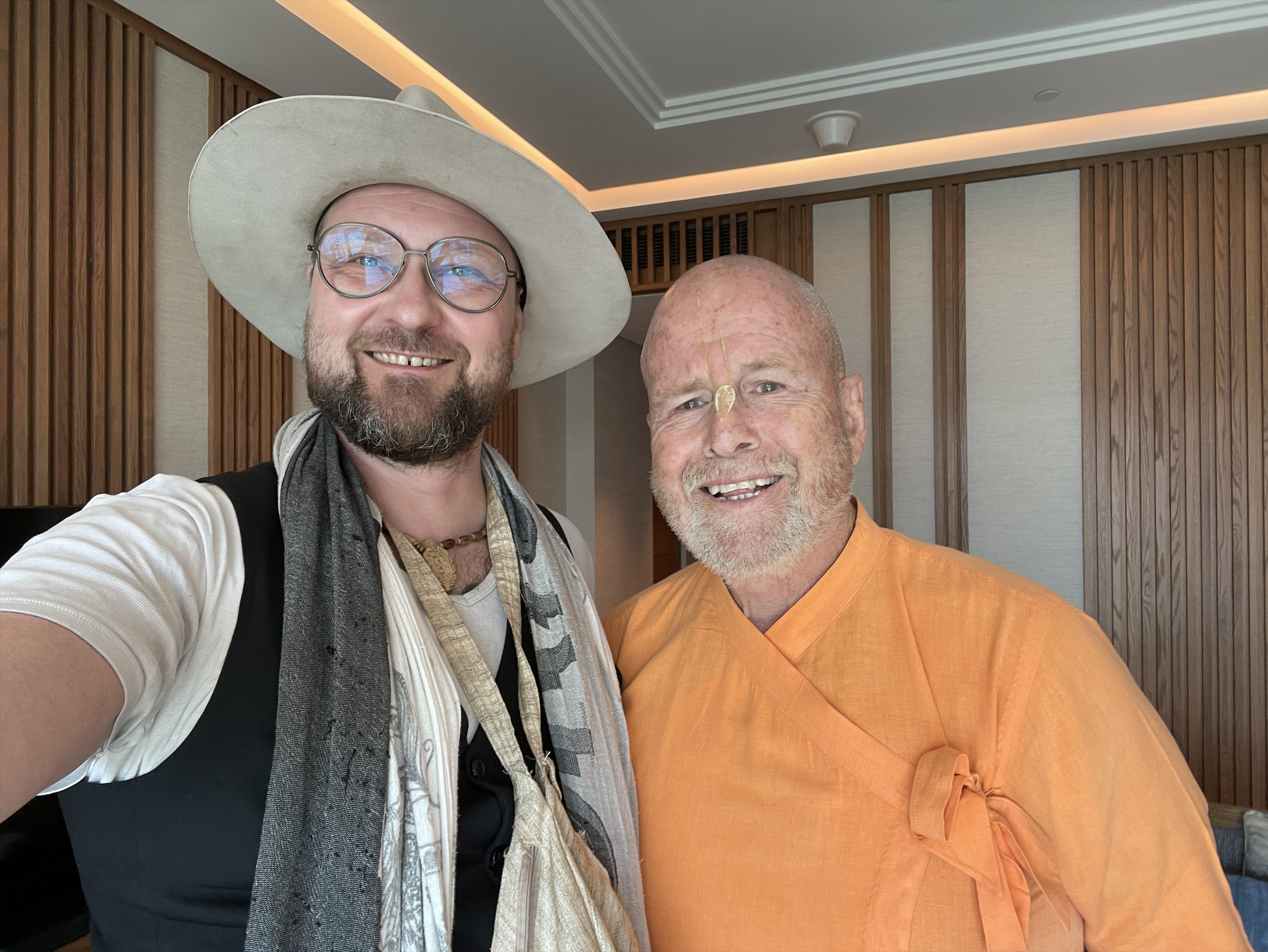
VESA met with BB Govinda Swami in Dubai to discuss the project in 2025.
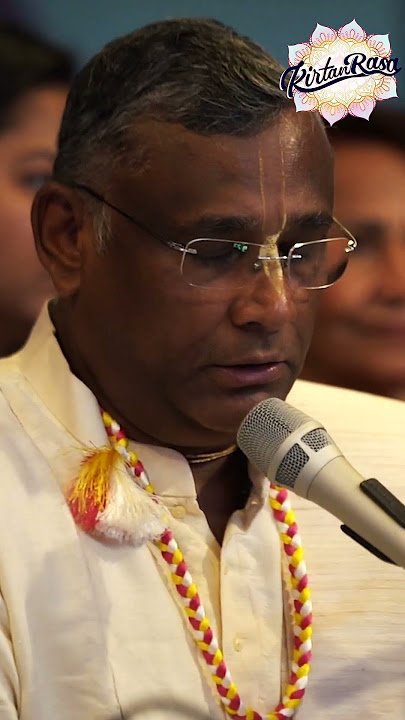
Sri Vallabha Dasa, yatra leader of the ISKCON Dubai community. His introductions, including to Jayapataka Swami, have been instrumental to this project.
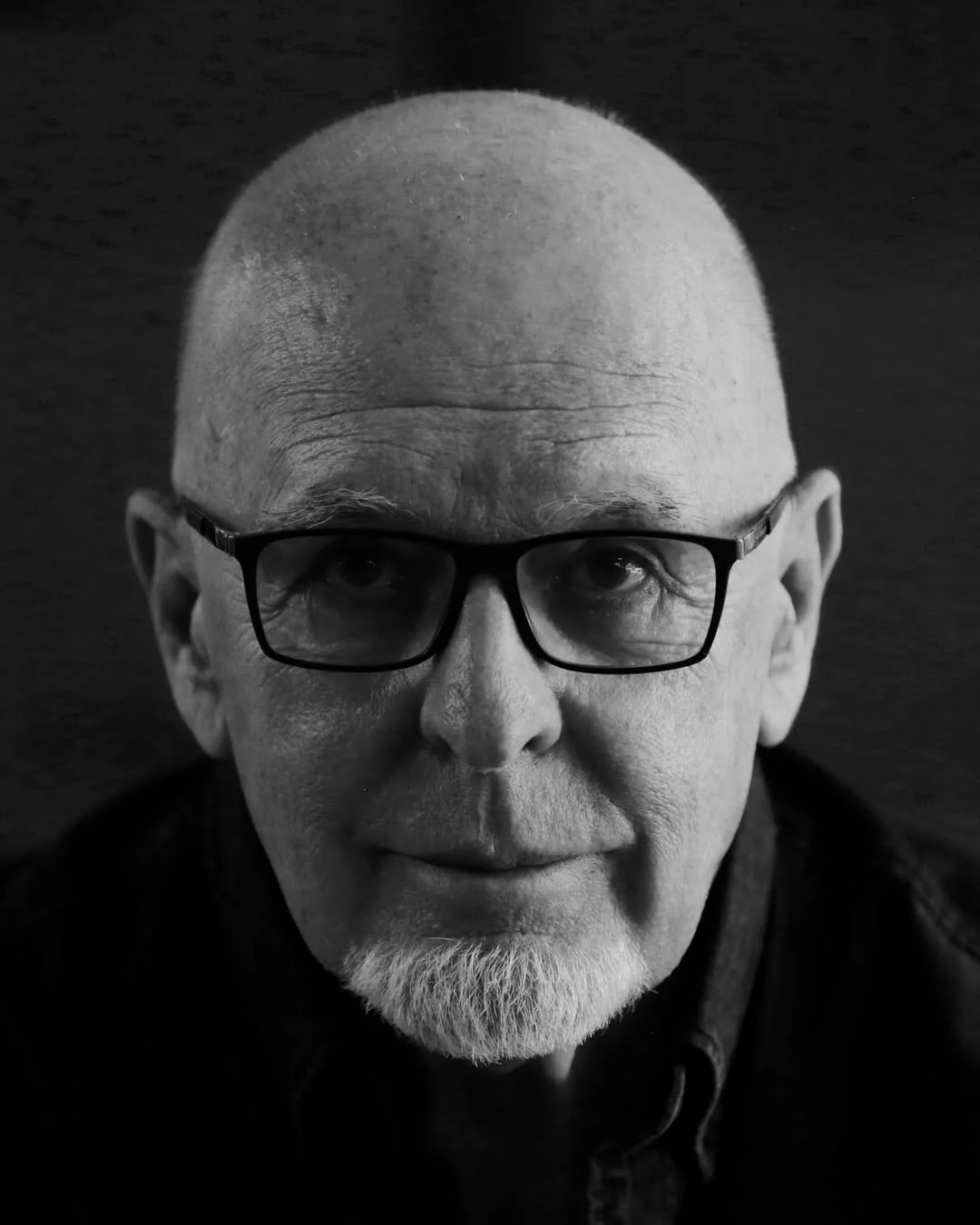
Garnet Dupuis, creator of NeuroVIZR, explores how designed light and sound patterns can support brain wellness, inner stillness, and altered states of attention.
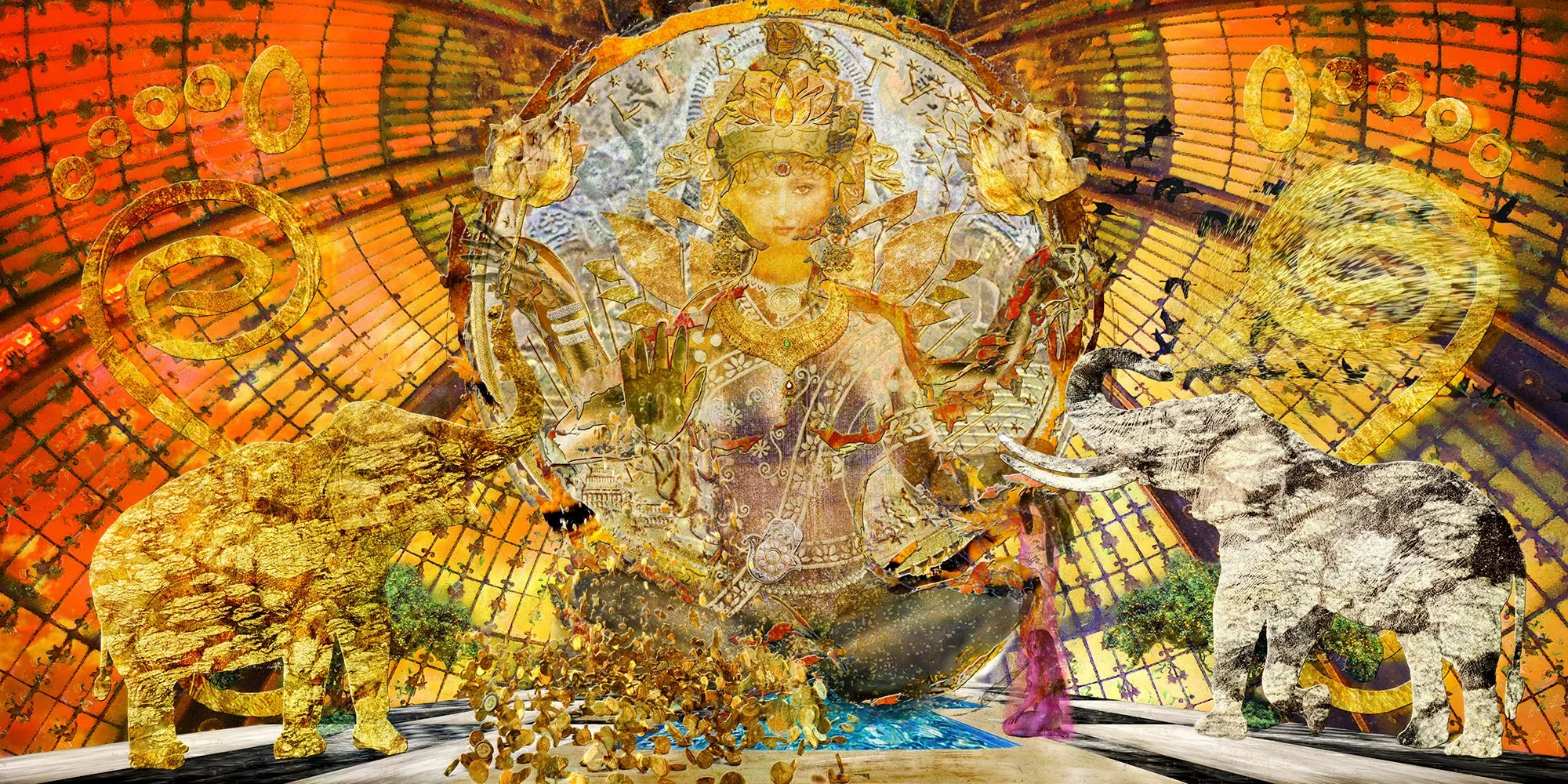
Lakshmi (Resurrection) (2018) brings the Hindu goddess of wealth, prosperity, beauty, and auspiciousness into dialogue with the changing architecture of value. In the blockchain space at the time, this was a highly unusual gesture, as there was little to no Indian or Hindu symbolic context present.
In Indian tradition, Lakshmi is not simply a figure of material wealth, but of deeper flourishing: beauty, nourishment, harmony, generosity, and divine order. This work places that older vision of abundance beside modern systems of value, including Bitcoin, not as a gimmick, but as a symbol of monetary questioning, sovereignty, and transformation.
At the same time, the work asks a deeper question: what is real wealth? From a transcendent perspective, the endless chase for status, possessions, and sensory satisfaction may itself be part of maya, the illusion that keeps us spiritually bound.
So the tension in the work is not between wealth and rejection of wealth, but between lower and higher understandings of abundance.
The work was later presented at Art in Space Gallery in Dubai.
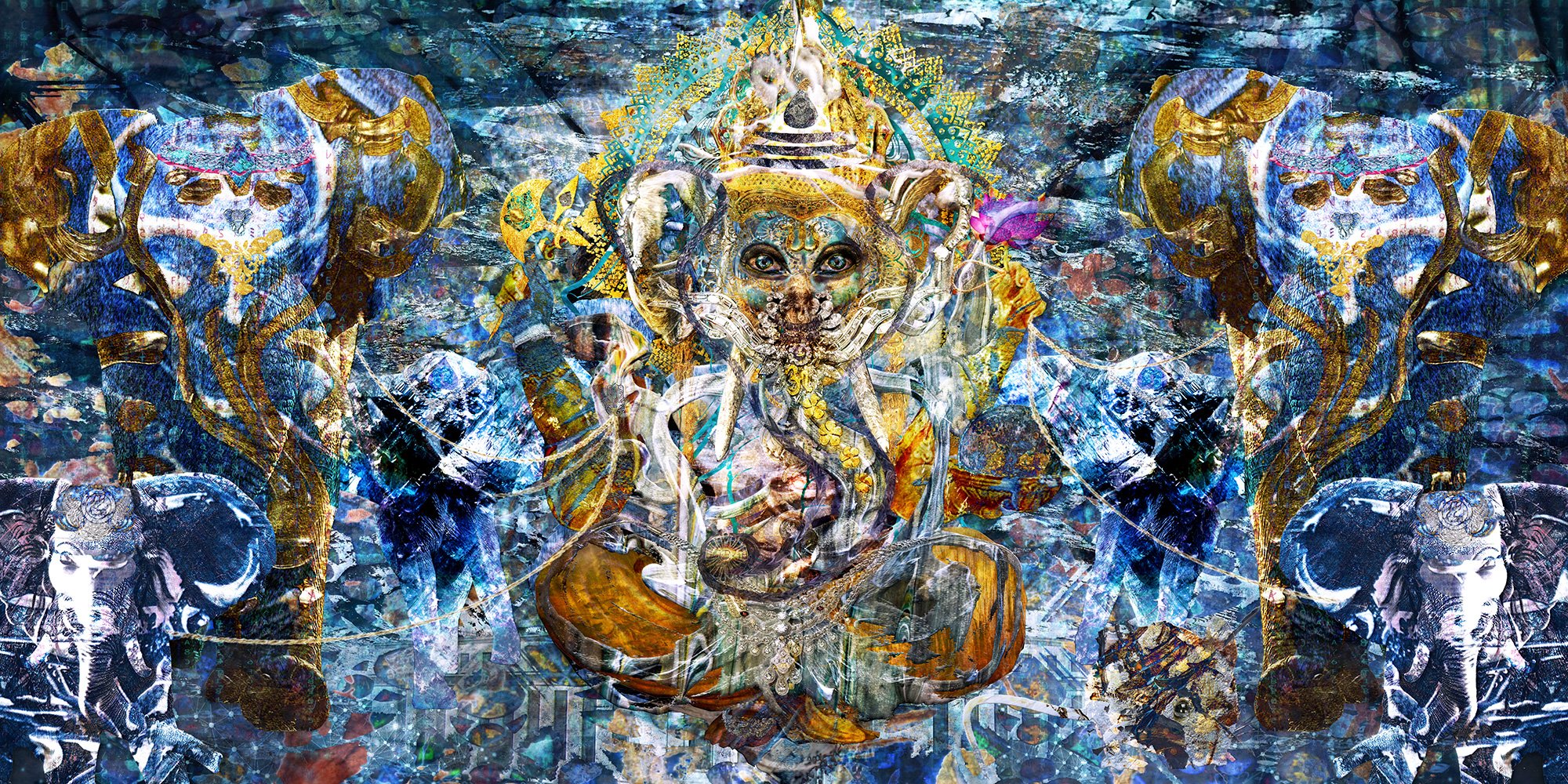
Truth or Dare: The Currency of Ganesh (2018) brings Lord Ganesh into dialogue with cryptocurrency, blockchain code, sacred ornamentation, and the shifting systems through which value is created, exchanged, trusted, and distorted.
Ganesh, remover of obstacles and patron of wisdom, arts, sciences, and auspicious beginnings, is placed here inside the modern pursuit of prosperity. Gold, platinum, diamonds, sacred geometry, and digital code collide in a symbolic field where ancient wealth and digital value meet.
The work does not condemn money. There is justice in earning prosperity fairly, through value, risk, skill, and service. But it asks whether humanity often approaches wealth from the wrong angle: chasing currency before consciousness, status before substance, and systems of exchange before systems of wisdom.
Created in 2018, as blockchain and smart contracts were reshaping ideas of ownership and trust, the work asks whether the obstacle is only human greed, or whether the financial system itself is also in need of an upgrade.
Built from roughly 2,000 layers, the complexity mirrors the question: mythology layered with technology, devotion with ambition, sacred wealth with speculation.
The mouse, Ganesh’s traditional vehicle, becomes the ego or restless desire. Transformed, it serves wisdom. Unchecked, it can bring down the whole structure.
Ultimately, the work asks:
What do we serve?
What serves us?
And what must be transformed before prosperity becomes wisdom?
Art In Space exhibited the digital originals in the gallery in Dubai via a giant 360 screen.
The works were also produced as large scale fabric pieces in VESA’s experimental 360 physical studio in Finland.
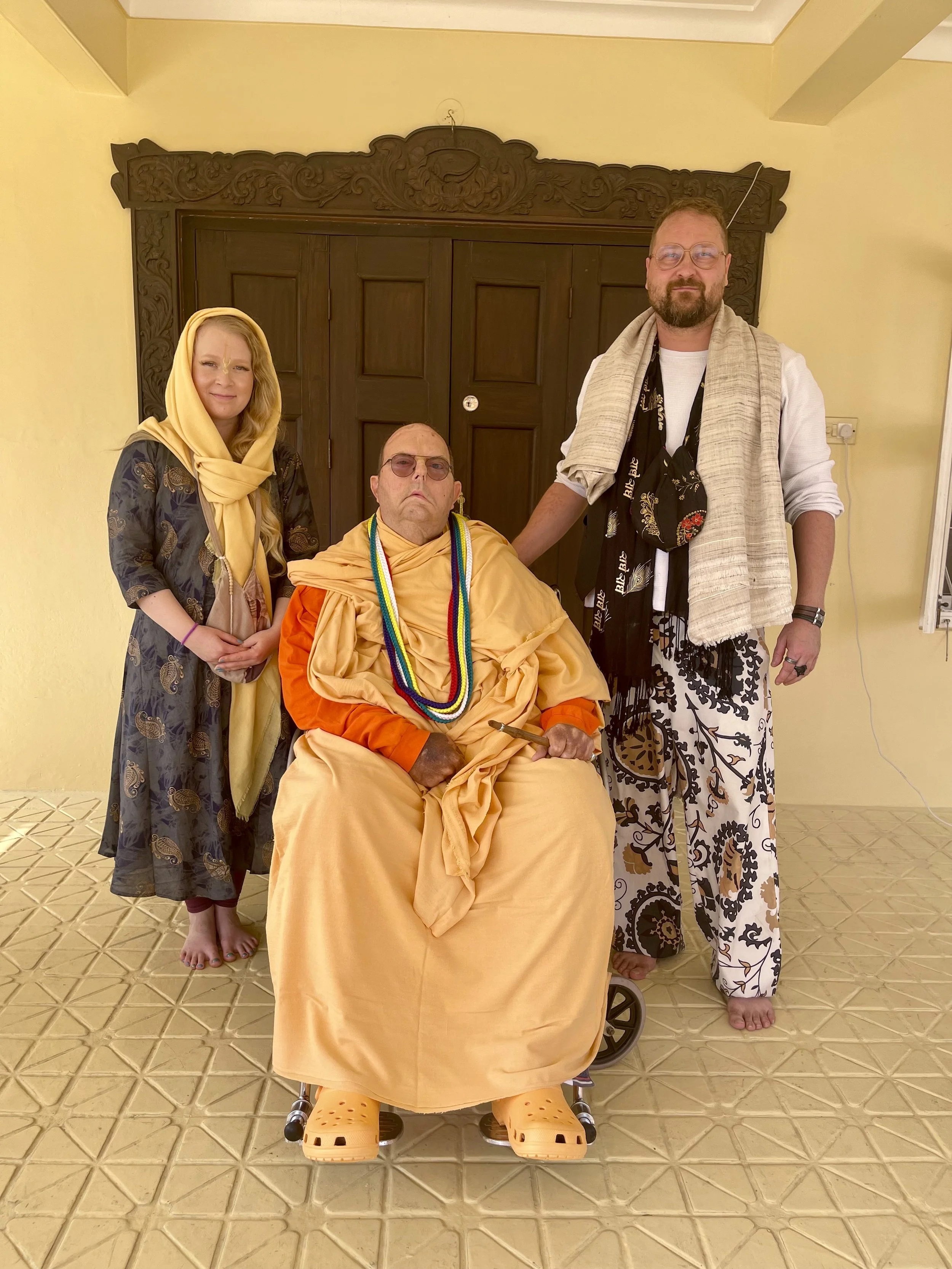
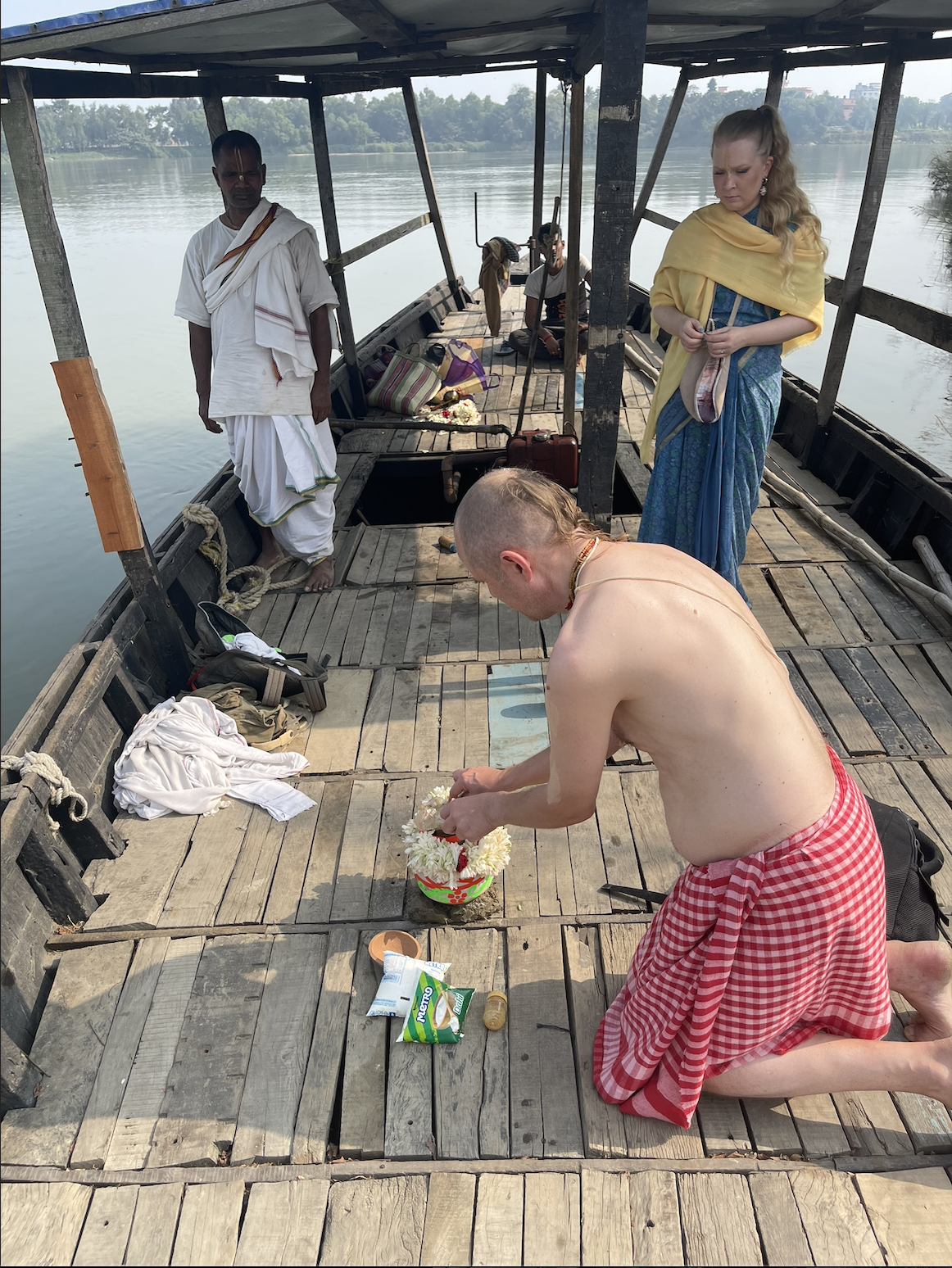
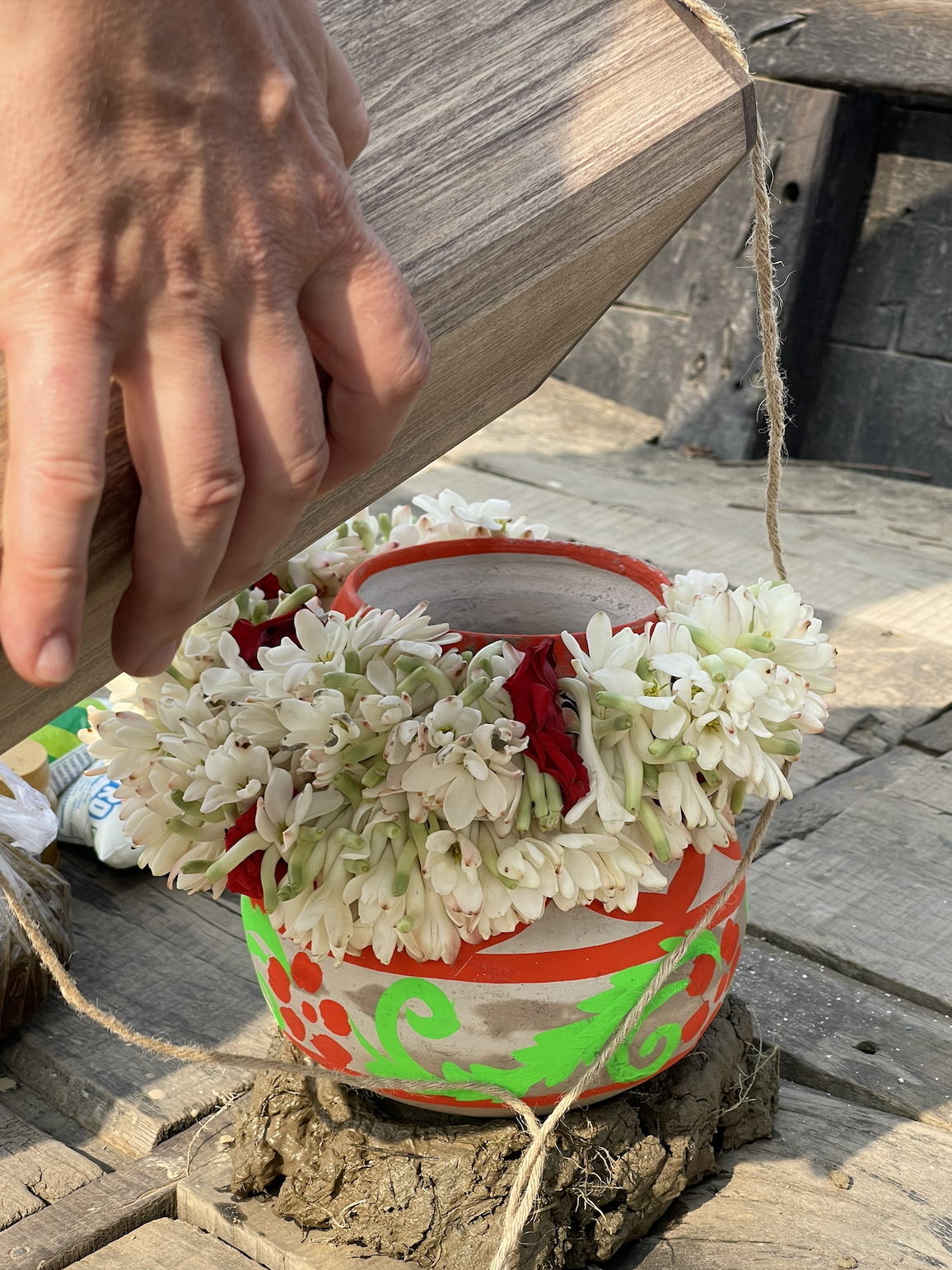
Jai, Mayapur, and the River Ganga.
These images show VESA and his wife, Lila Mohini Devi Dasi , in Mayapur, near the ISKCON temple and the waters of Sri Ganga, where they laid their stillborn son Jai to rest according to devotional tradition.
For VESA, the project is not an external study of sacred culture. It is part of lived experience: devotion, loss, service, family, and surrender. The same questions that move through the artworks, consciousness, the eternal, the body, the soul, and the passage between worlds, are also present here in their most intimate form.
Maps of the Eternal returns to its deepest ground. Art is not only an image of transcendence. It is a way of carrying love, grief, and faith toward the eternal.