Evolving the current healing paradigm.
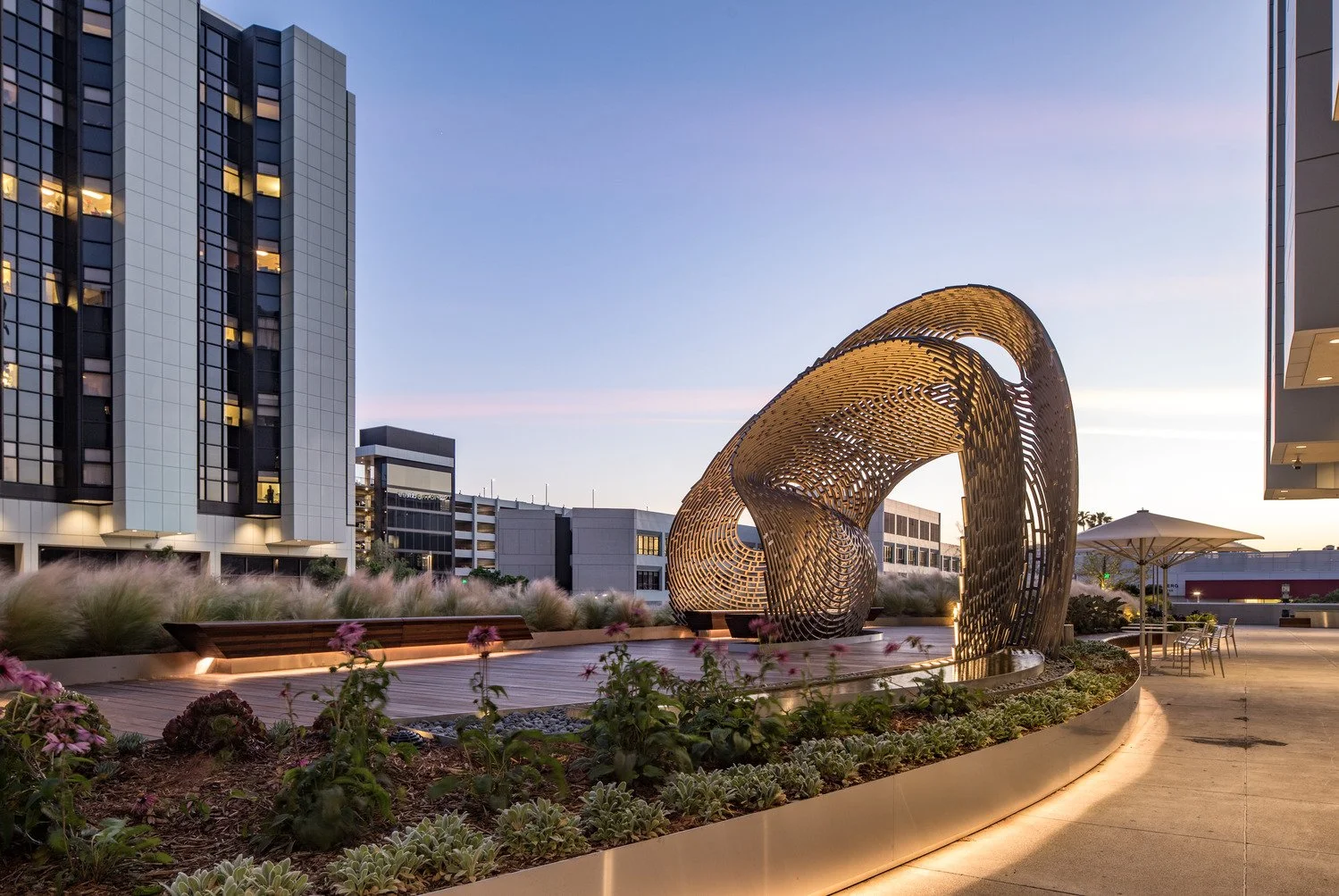
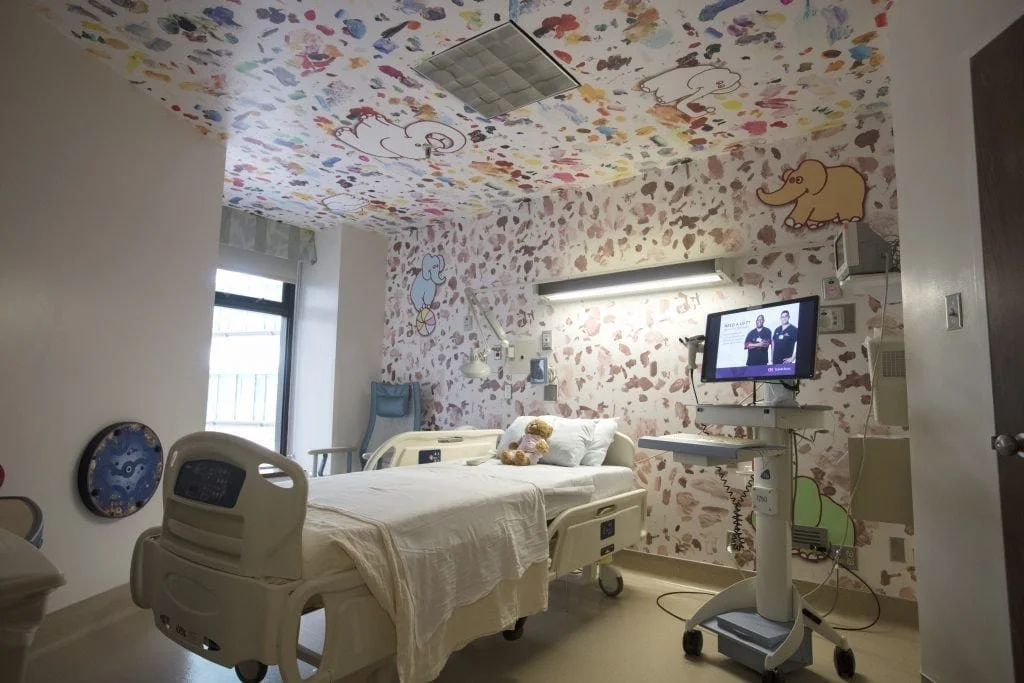
A World Health Organization review of more than 3,000 studies found that the arts can contribute to health promotion, prevention and the management of illness across the lifespan.
The effects can be measured. In a Drexel University study, 45 minutes of art-making lowered cortisol in 75% of participants. Cedars-Sinai cites emerging evidence that arts programming can support shorter hospital stays, fewer medical visits and reduced need for pain medication.
A recent UCL study in Innovation in Aging found that adults who regularly engage with arts and culture, including museum visits, age more slowly. Weekly cultural engagement was associated with a 4% slower rate of biological aging, matching the effect of regular exercise.
VESA’s work begins with the next question: what becomes possible when art is designed intentionally for restoration, not added as decoration afterwards? Immersive, symbolically coherent environments can make space for calm, perspective, connection and recovery.
The Possible.
Traditionally presented art has already been able to achieve great things inside of the wellness paradigm of hospitals.
What if we evolved how it is presented there? Aside from screens, creativity does not have to be bound to frames, can expand to walls, furniture, and beyond.
This is VESA’s experimental 360 room in Helsinki.
This artwork is about the collaborators healing journey, incorporates a breathing exercise, and is on display here through HCOMM technology in a 360 immersion room.
The experience in the room includes spatial sound design, the floor resonates with the same frequency as the audio, wind, smoke, and up to 300 difference scents are controlled by a push of a few remote control buttons.
Do our interior spaces have to keep offering the same first impression time and time again?
Does healing have to be confined to spaces usually reserved for it?
Are there innovative ways to bring this narrative to the wider public?
Testimonials
-
![]()
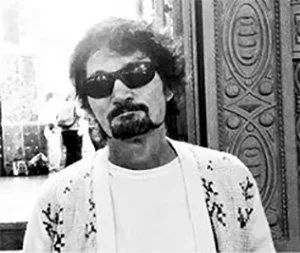
“Vesa’s art is amongst the most integrally advanced in the history of Western abstraction – no small claim, but one backed up by the works themselves. Rather than abstraction as a fleeing from life, his works are a diving into the incarnate mystery of human being — direct celebrations of the fullness of Life.”
— Michael Schwartz, Professor of History and Philosophy of Art, Augusta State University, March 2014
-
![]()
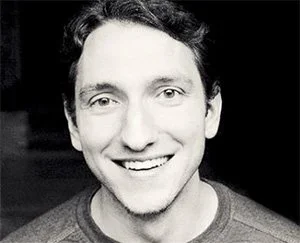
“Kivinen’s work had no points of reference. Unlike most local artists, Kivinen wasn’t recycling successful foreign approaches and adapting them within a local context. He wasn’t replicating a preexisting genre or playing out well-known devices. Whether for better or for worse, Kivinen is – as childish as this may sound – an original.”
— Rory Winston, Cultural editor of the New York Resident August 2014
-
![]()
“When Finnish artist Vesa Kivinen captures your “portrait,” he doesn’t just hint at the contents of your soul—your deepest fears, desires, triumphs, and avenues of personal expression. Vesa brings them all to the surface, creating collage imagery that reveal more about his subjects than even the subjects themselves thought possible. While he is not the first to do this kind of work, he may very well be the best.”
— DL Cade, Editor in Chief of 500px, February 2016
-
![]()
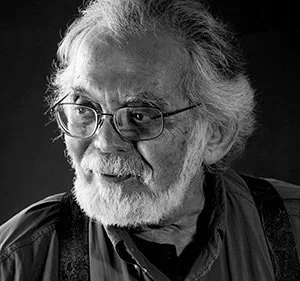
“It is a pleasure to recognize and appreciate Vesa’s work before he becomes a global star.”
— John Anthony West, Emmy Award Winning Documentary Filmmaker / Author
-
![]()
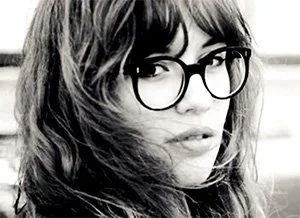
“Vesa is credited for inventing an entirely new art form – Artevo is a combination of body painting, photography and image manipulation that allows to create works of incredible vibrancy and depth. I am a big fan of his Share series where extreme close-ups of single brushstrokes create a vortex-like effect with paints and textures melting into each other. His works are a symphony of emotions expressed through colour.”
— Natalia Rubinstein, Artist Champion at Rise Art
-
![]()
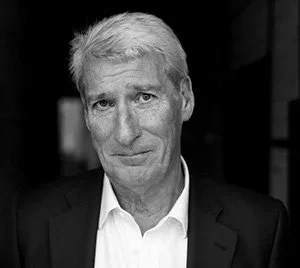
“These are beautiful images and nobody would dispute it.”
— Jeremy Paxman, Journalist, BBC World, 2013
-
![]()
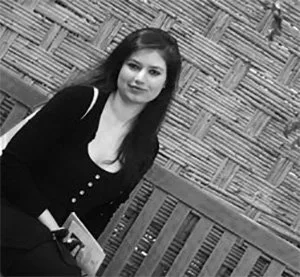
“What occurs is a reinvention of cultural norms as we understand them. It is Postmodern in its very essence, but with an added element of natural rudimentary common in the Renaissance period, which counteracts futuristic notions. Great art usually involves the combination of beauty, imagination, and extraordinary skill, and artist Vesa Kivinen is no exception.”
— Lead Editor Aisha Farooq on Artevo / Veena Malik Project on DesiBlitz 8/2013
-
![]()
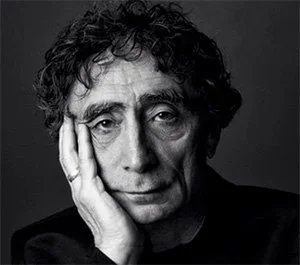
“Beautiful and haunting.”
— Dr. Gabor Maté, Author and columnist for Vancouver Sun, Globe and Mail, 2012
-
![]()
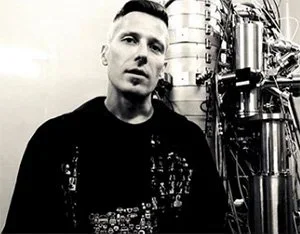
“Besides the great contemporary visionaries, Vesa is one of the few living artists who manages to sneak in through my visual faculties to stroke the soul I don’t even really believe I have. I was instantly smitten the first time I saw his work.”
— Dr. Toma Susi, Physicist, Vienna 2014
-
![]()
“Your works have the sensitivity of Leonardo’s drawings and the dreamscape of Chagall.”
— Antti Heikkilä, Doctor of Traumatology / Author
-
![]()
“Vesa is a unique artist with a high-frequency spiritual touch that is visible in all his creations, whether it’s paintings or videos, etc. There are so many layers and dimensions in his work. His art is absolutely amazing and intelligent in a divine way.”
— Anni Sennov – Spiritual Author, September 2014
The personal as the universal
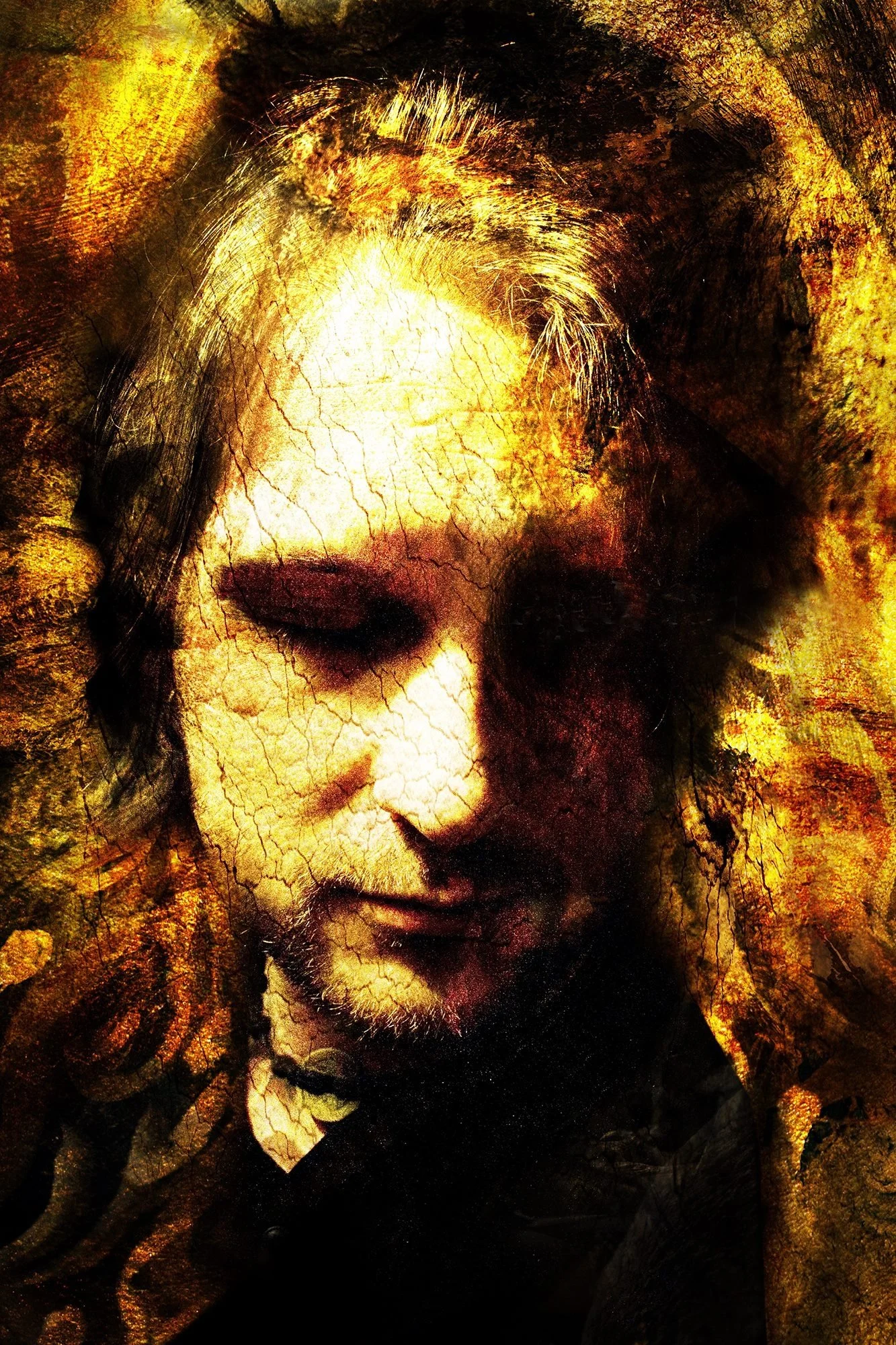
None of this came from theory. It came from necessity. From a childhood marked by both creative drive and struggle. From nearly drowning. From needing to find a language for what the surface could never contain.
Twenty years. That's what it took. Personal healing across every dimension. Filmmaker to fine artist was not a career shift. It was reconstruction. The cracks in a self-portrait becoming the architecture of a life.
What I saw in my family. What I saw in society. The gap between surface and substance. That gap became the practice.
An upbringing that taught me early: the surface is never enough. There is always something deeper underneath. Reaching it matters more than anything else.
That conviction ran underneath everything. The painting. The bodypainting. The photography. The digital composition. All iterations of the same question, asked across different mediums:
How do you make the invisible visible?
How do you reach the person underneath?
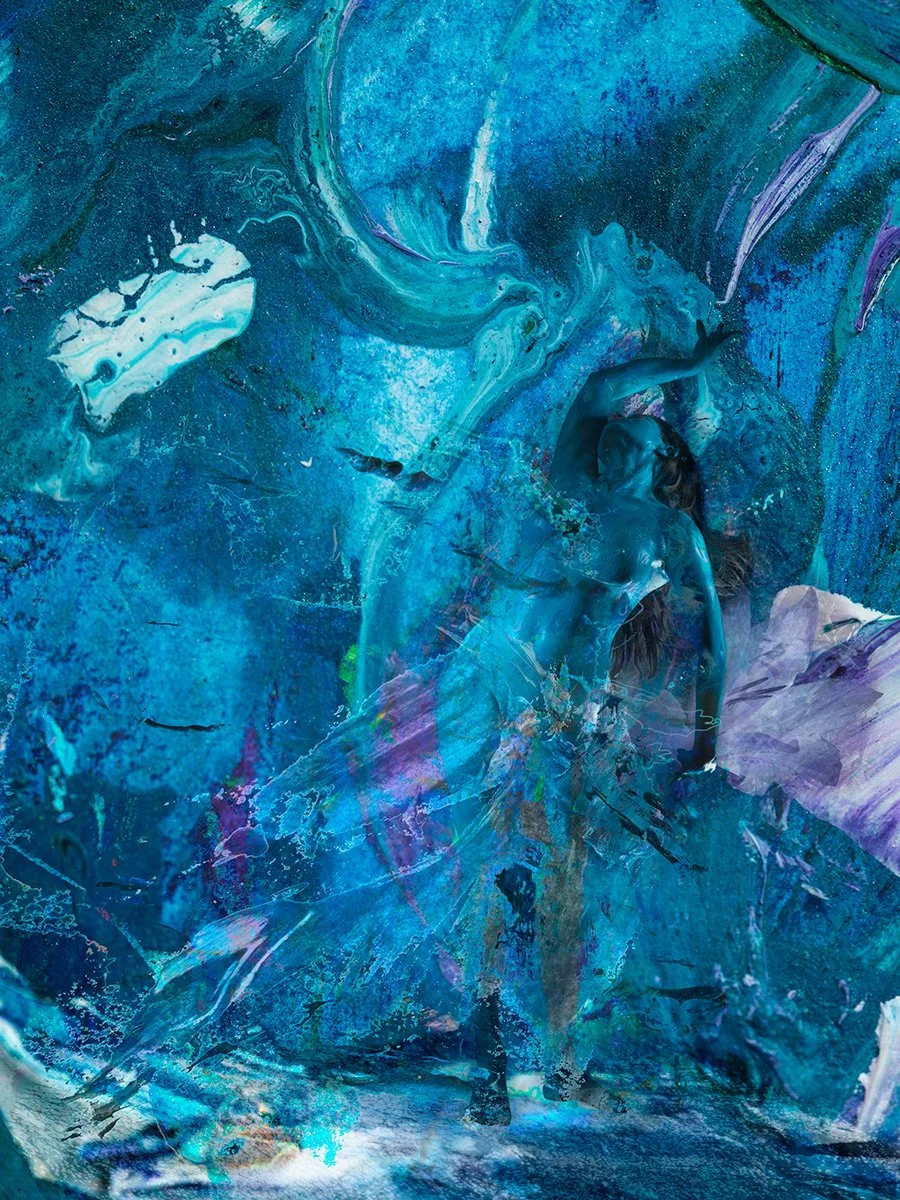
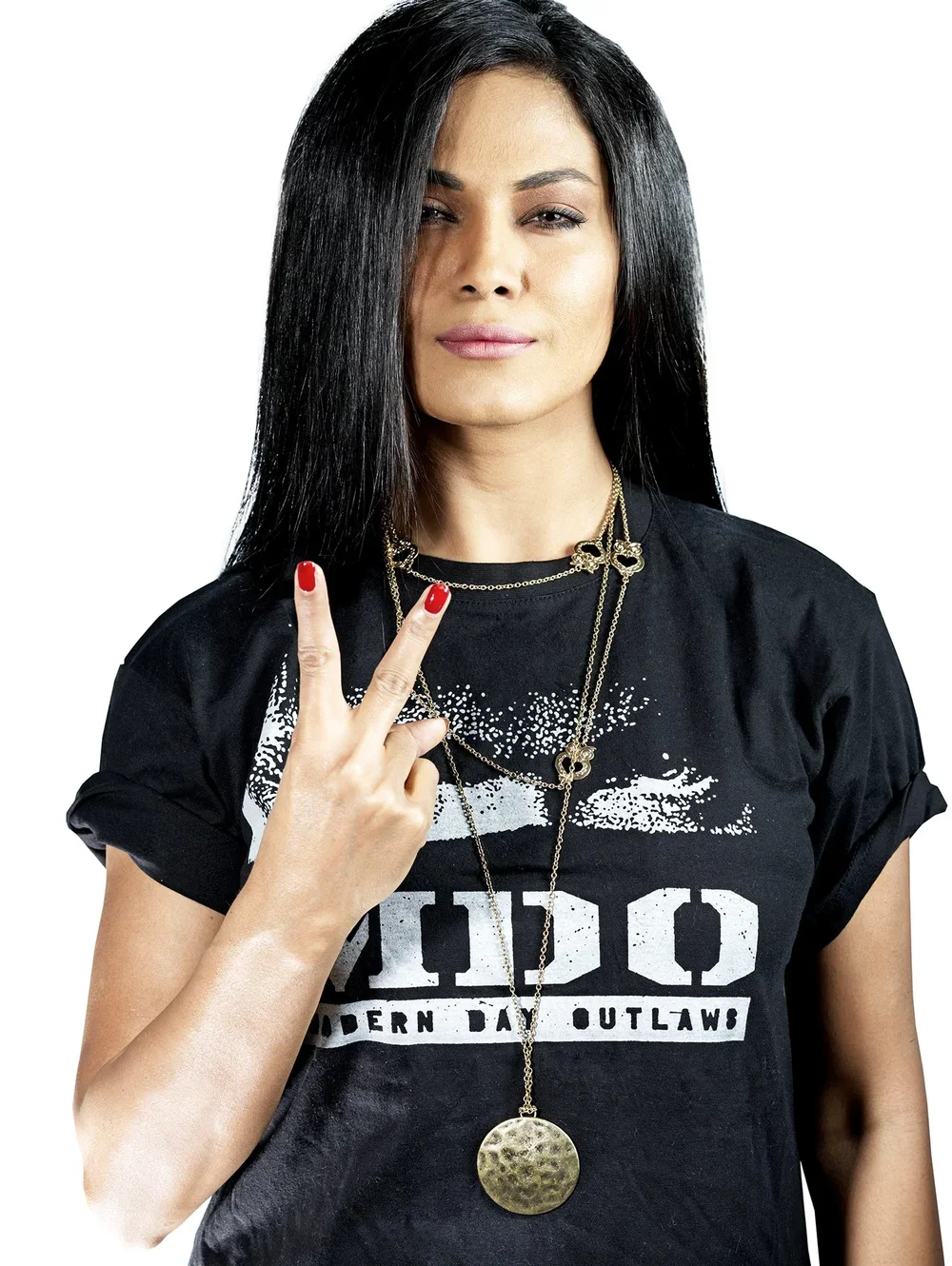
The Bodypainting Process:
The bodypainting work was never about illustrating a body. It was about reaching the person underneath.
Every collaboration begins long before paint is mixed. It begins with a conversation. Who is this person? What do they carry? What have they survived, built, lost, reached toward? What is holding them down, and what is trying to rise? The process works through these questions physically, emotionally, and symbolically across a full day of creation. Paint on skin becomes a way of making the invisible visible.
The person is not a model. They are a collaborator. Their story is the raw material. And what emerges in the finished work is not a portrait of a body. It is a map of an inner landscape that connects one person's experience to the wider human story.
In a visual culture that routinely reduces people to surfaces, this process goes in the opposite direction. It starts with who someone actually is and makes that visible.
The Veena Malik project in 2013 was the pinnacle of this approach. A Pakistani actress who had been defined, controlled, and nearly destroyed by an industry that decided how she should be seen. The collaboration challenged cultural, spiritual, and personal boundaries simultaneously. It reached 300 million people through BBC World and international press. For Veena, it was an act of reclamation. For the practice, it was proof that the process could operate at a cultural scale far beyond any gallery.
Project→
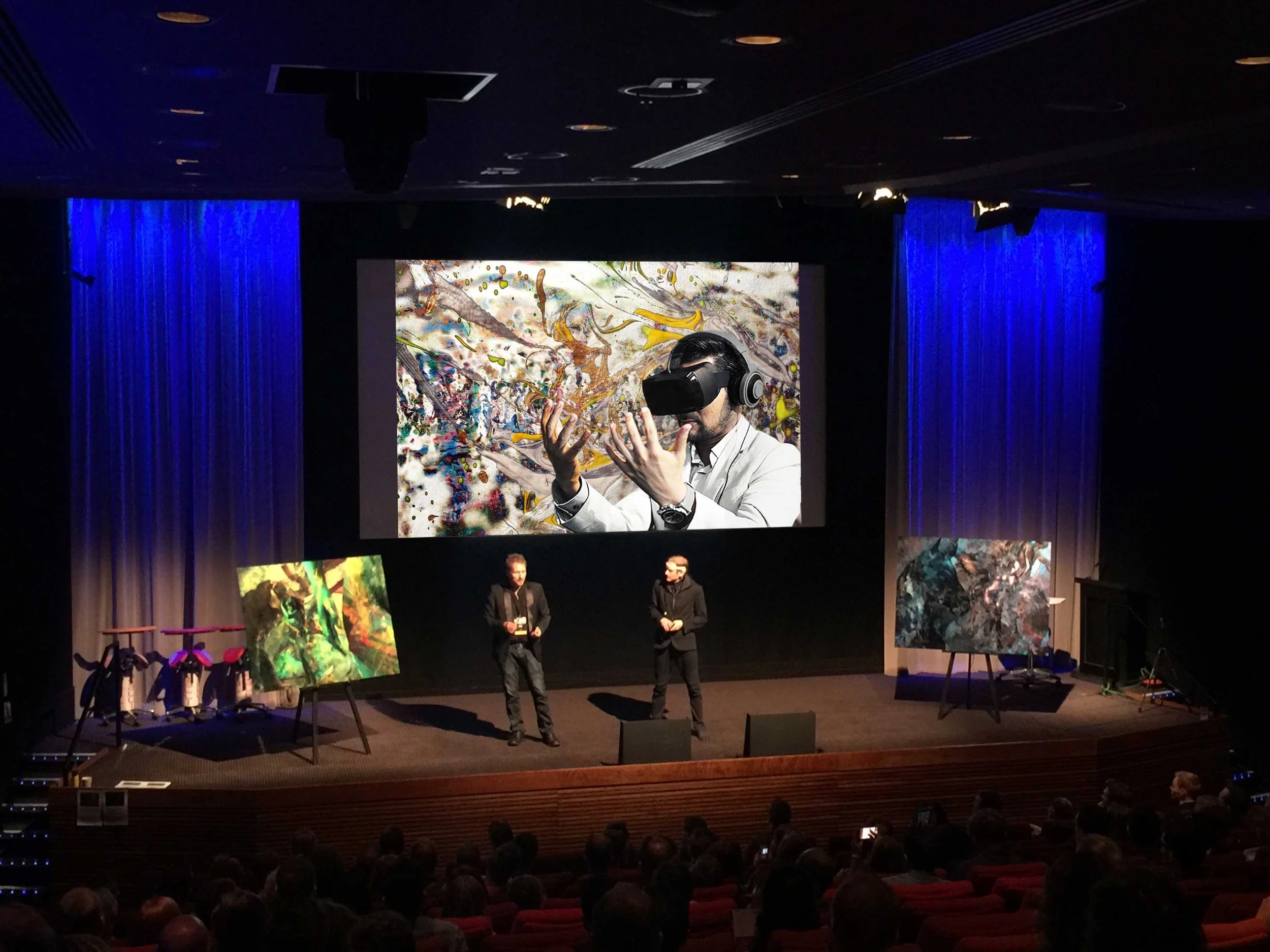
Vesa with Teemu Arina on stage at the London Biohacking Summit of 2015. He brought with him the Veena Malik works as the featured artist, and gave a keynote.
The Biohacking Journey:
The connection between art and physical wellness became personal before it became professional.
Years of operating as an independent artist without institutional support took a measurable toll. Leaky gut, autoimmune responses, the kind of chronic stress that comes from building something the world does not yet have a category for. The body keeps the score, and the score was not good.
That experience led to biohacking. Not as a trend, but as survival. Understanding how the body works, what it needs, what breaks it down, and what builds it back. The deeper that inquiry went, the more it converged with the questions the art had been asking all along: what is the human being actually capable of when the whole system is aligned?
In 2016, the London Biohacking Summit became the first stage VESA ever spoke on. By 2022, the practice had evolved into a full creative partnership with the Helsinki Biohacking Summit, led by Teemu Arina. VESA created the visual identity for the event and delivered a keynote. A room full of people optimising their biology, and the art was the element addressing what optimisation alone cannot reach.
The tension between material wellbeing and something deeper is where this practice operates. Cedars Sinai proved that art heals passively. The Biohacking Summit proved that art can be integrated into a holistic wellness framework intentionally. Not as decoration on the walls of a health facility. As a core component of what it means to be well.
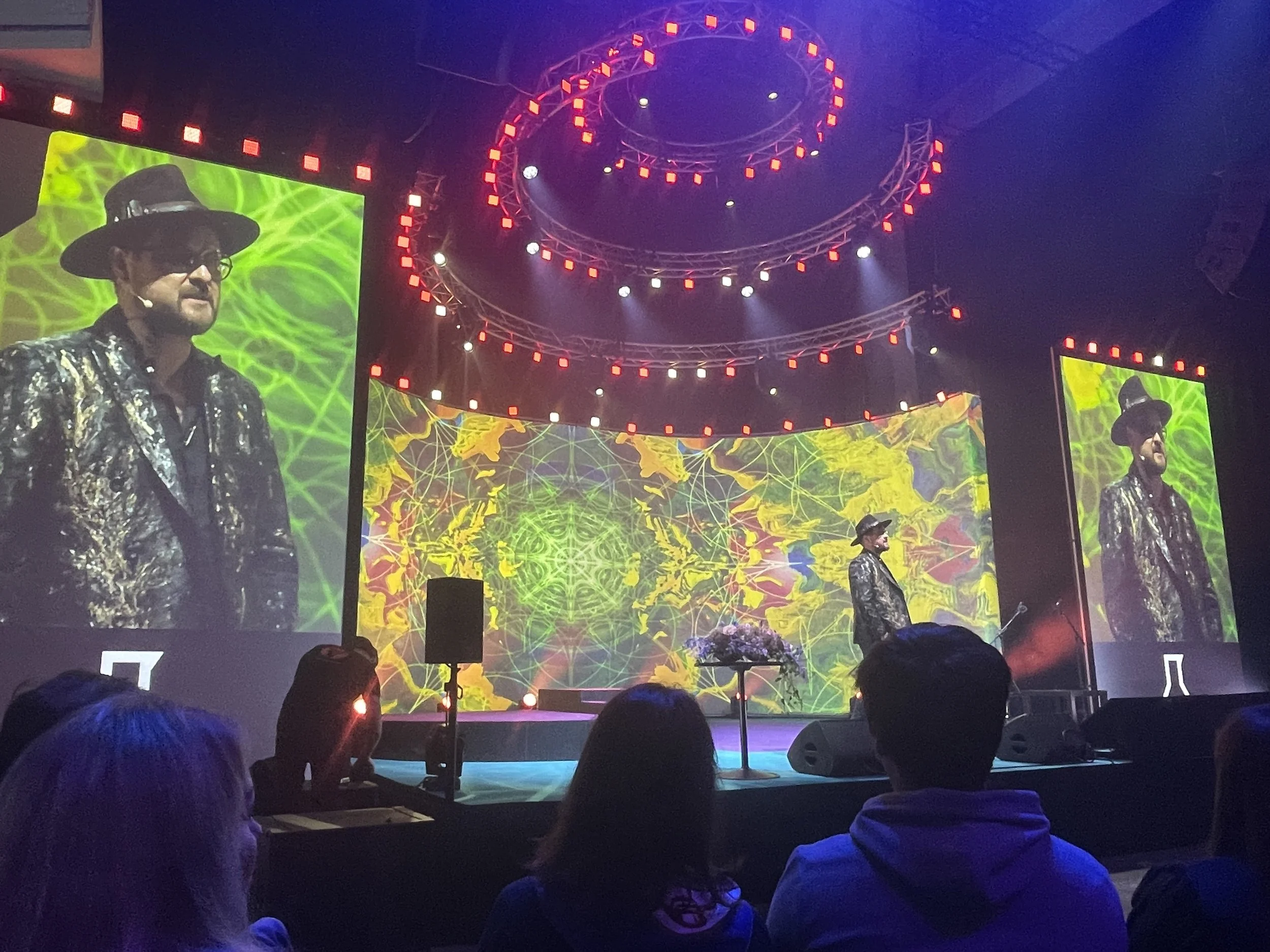
in 2022, VESA visually branded the Helsinki Biohacking Summit, and gave another keynote.
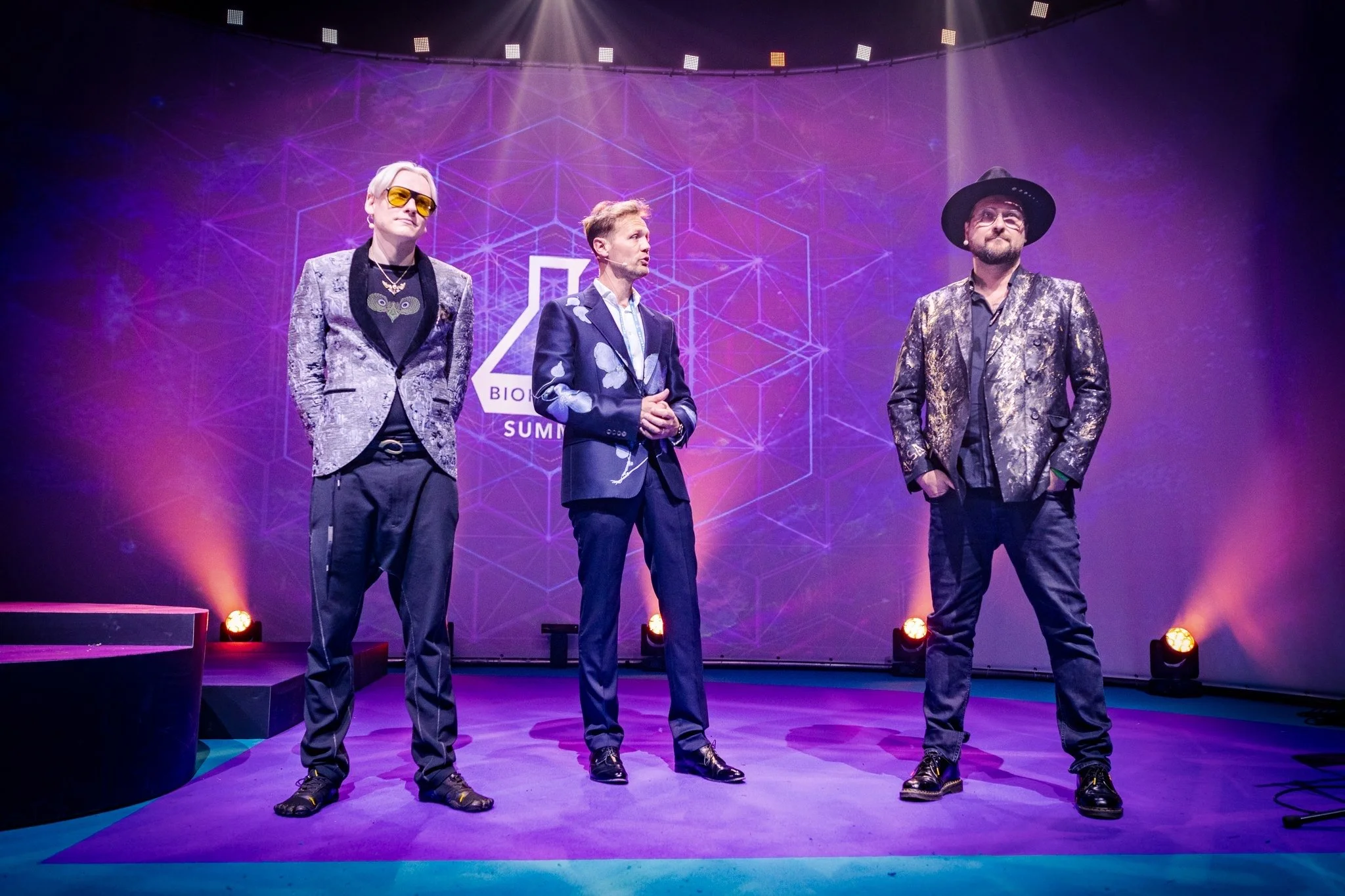
On stage at the Helsinki Biohacking Summit with Teemu Arina, founder of the event, and gallerist Tomas Cermak. Speaking about art and wellness to a room full of people optimising their biology. At the time, VESA was going through an autoimmune crisis of his own. The irony was not lost on him. It never is on the people who need the message most.
Influences and training
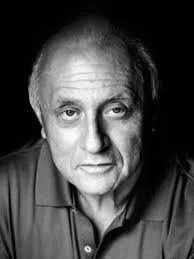
"It has always been my hope NLP would inspire talent like yours." — Richard Bandler, co-founder of Neuro-Linguistic Programming on VESA’s work.
Richard Bandler:
Richard Bandler. Co-creator of Neuro-Linguistic Programming. One of the most influential figures in the history of applied psychology and human change work. His methodologies have shaped coaching, therapy, and performance across every field. VESA trained as an NLP Master Practitioner under this lineage.
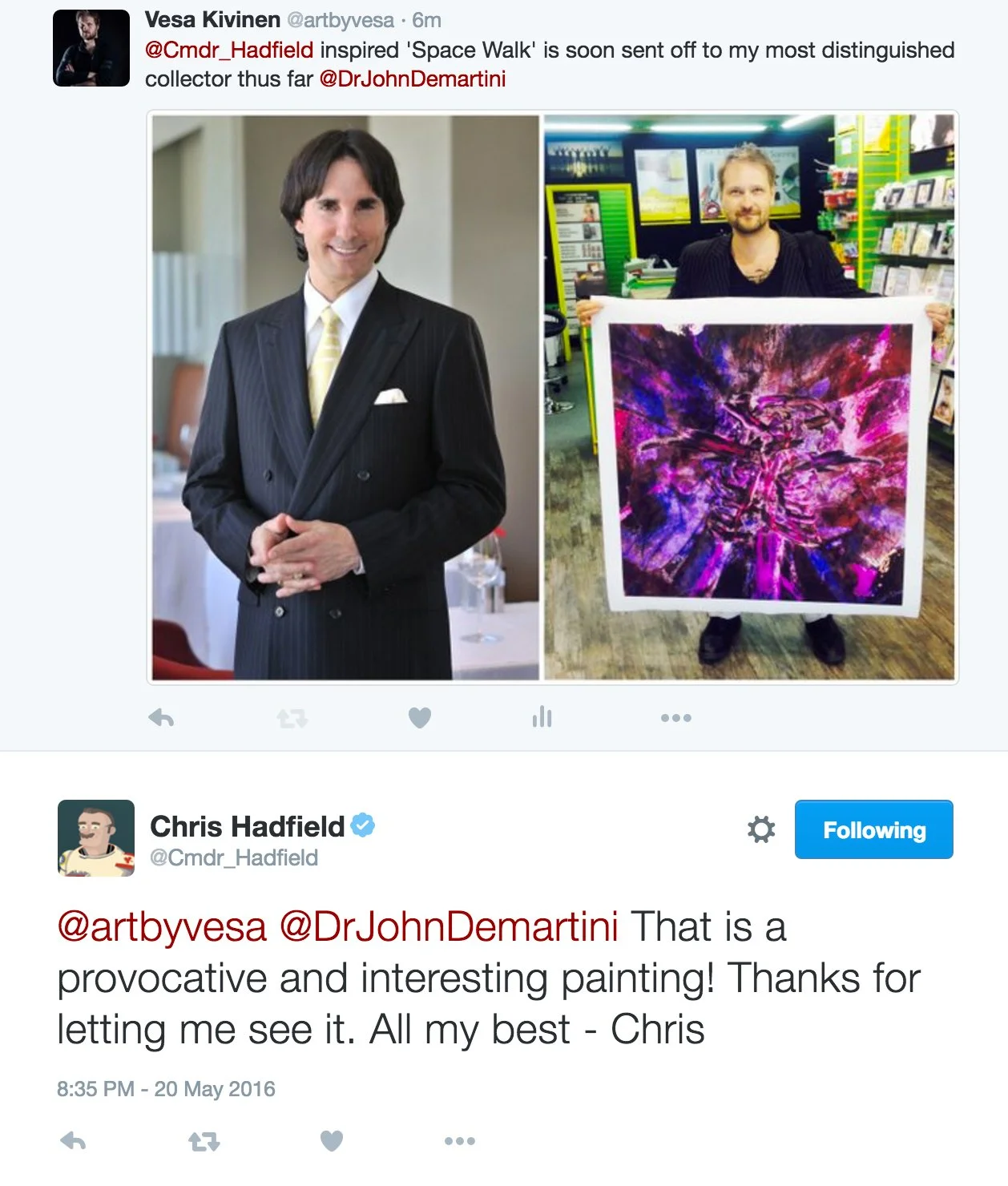
The training extends beyond NLP. VESA has studied methodologies including John Demartini's Breakthrough Experience, a structured process for dissolving the emotional charges that keep people stuck in incomplete narratives about themselves.
The tools are there to inform how every collaboration unfolds. When someone sits down before a session, the conversation is not small talk. It is guided by two decades of studying how human beings construct meaning, hold trauma, and find their way through.
Through the connection, John became a collector, which also interacted with the astronaut inspiration of the work to comment on the piece now in John’s collection.
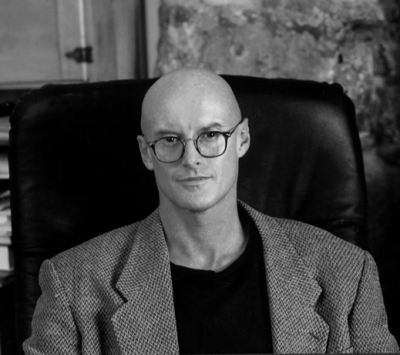
Ken Wilber:
Author of over twenty books on consciousness, psychology, and human development. Creator of Integral Theory, the most comprehensive framework for mapping the evolution of human awareness. His platform, Integral Life, featured VESA's practice in 2014.
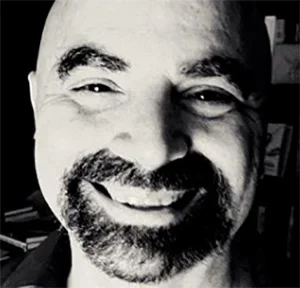
Professor Michael Schwartz:
His 2014 review remains the most precise description of what the work actually does.
In 2014, art historian Michael Schwartz published an extensive analysis of the practice on Ken Wilber's Integral Life platform. Schwartz is a Professor of History and Philosophy of Art at Augusta State University. He is not a casual commentator. He is an academic who has spent his career developing a framework for evaluating art across every dimension of human experience simultaneously: formal, psychological, cultural, spiritual, and developmental.
He looked at the work. He understood what he was seeing. And he had the credibility to say it plainly.
"Kivinen's art is amongst the most integrally advanced in the history of Western abstraction. Rather than abstraction as a fleeing from life, his works are a diving into the incarnate mystery of human being. Direct celebrations of the fullness of Life." — Michael Schwartz, Professor of History and Philosophy of Art, Augusta State University, 2014
Schwartz identified what the wider art world has still not caught up to. A practice where NLP, bodypainting, painting, photography, and digital composition are not separate disciplines bolted together but a single integrated process operating across every level of human experience at once. He had the framework to recognise it.
His review was published on a platform read by philosophers, psychologists, and developmental thinkers. Not by gallerists or curators. That tells you something about where the work was understood first and where it is still waiting to be understood.
Perhaps the time is now.
The expansion:
The practice extends outward from this foundation in every direction.
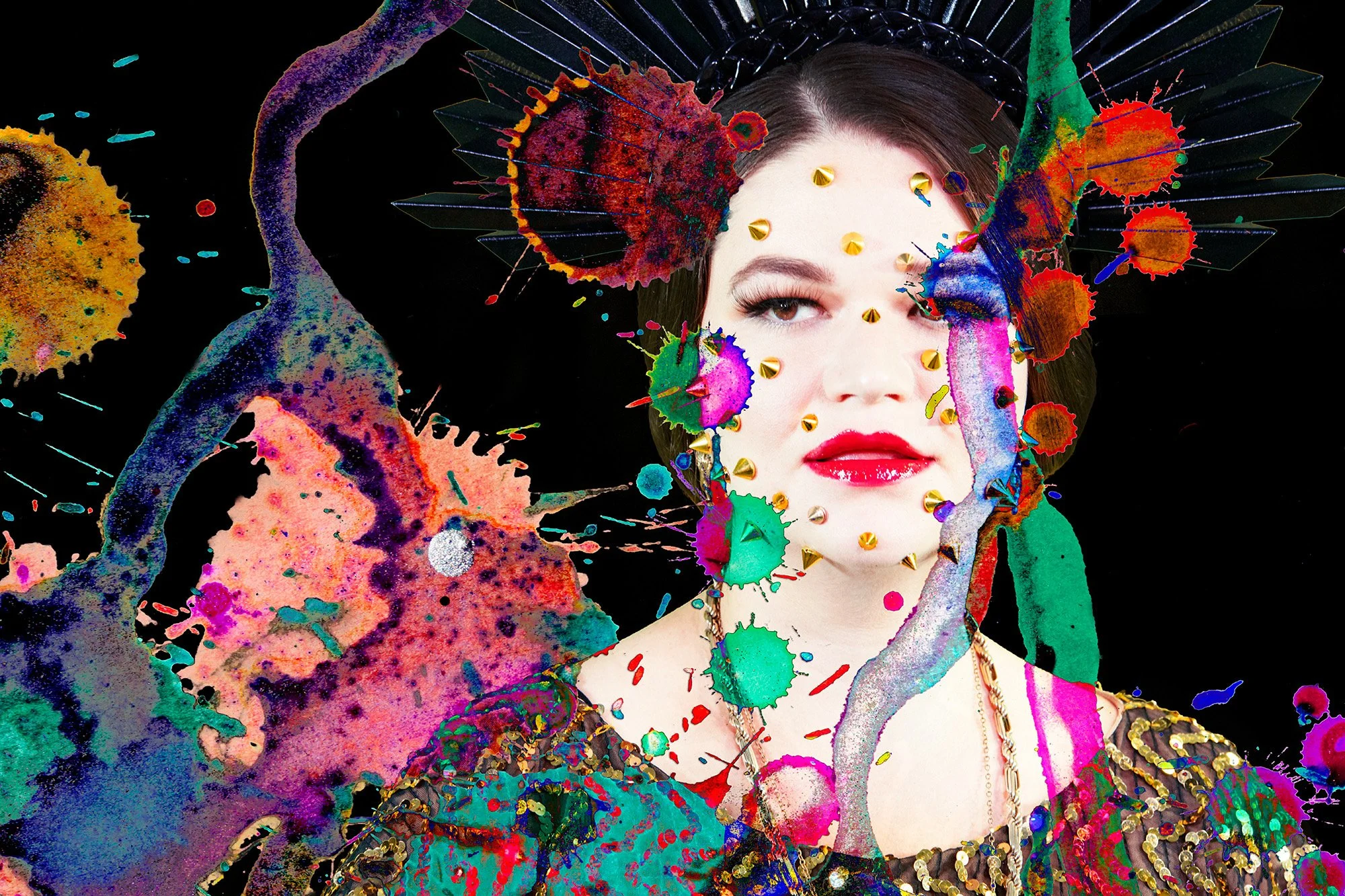
The Brittany Kaiser Project, in development with the whistleblower at the centre of Netflix's The Great Hack, explores sovereignty in the age of data. If wellness begins with ownership of your whole aura, what happens when your data, your digital identity, your informational self is harvested without consent? The question of sovereignty is complex. The practice follows it there.
Project→
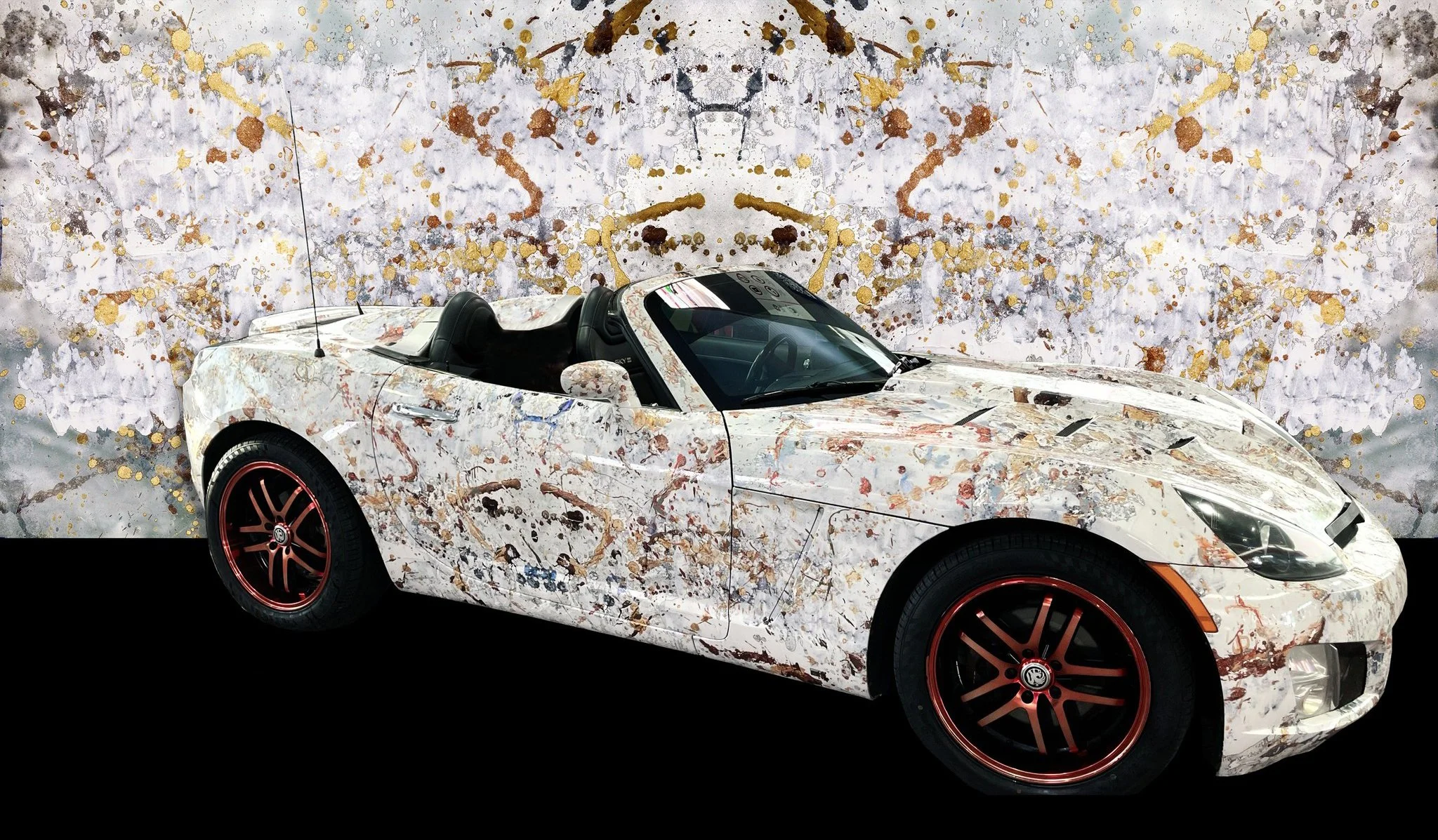
The Art Cars bring art into public space. Art woven into the streets of a city, encountered by everyone. The Cedars Sinai research suggests that even passive encounters with art reduce cortisol and support wellbeing. A moving artwork in traffic is a wellness intervention that the viewer does not even know they are receiving. The cars truly become a delivery mechanism.
Project→

Heavenly Home, a humanitarian initiative supporting children in Thailand, challenges the charity paradigm itself. The aim is not only charity. It is dignity. Children who have been denied stability are given the tools to create, own, and participate. Their imagination becomes part of a real structure. Wellness is not just physical health. It is the experience of being treated as a full human being experiencing agency.
Project→
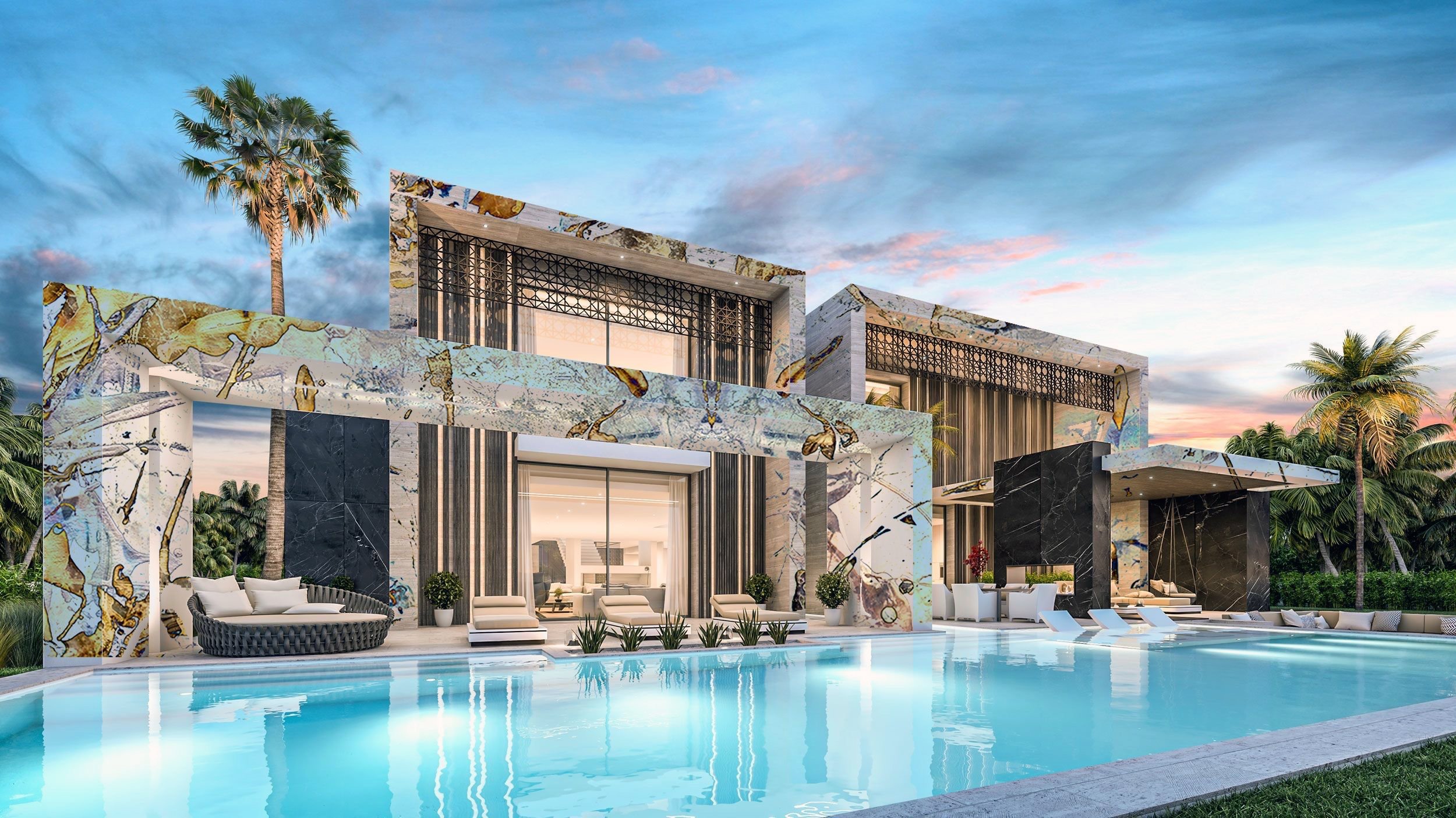
Mirrors Series explores what materials cannot provide. Paint, photography, and digital composition scaled across supercars, villas, yachts, and building facades. The car carries the work through the city. The villa holds it on its walls. Real wealth is the question underneath the accumulation. Where can’t the material world delivery you to?
Project→
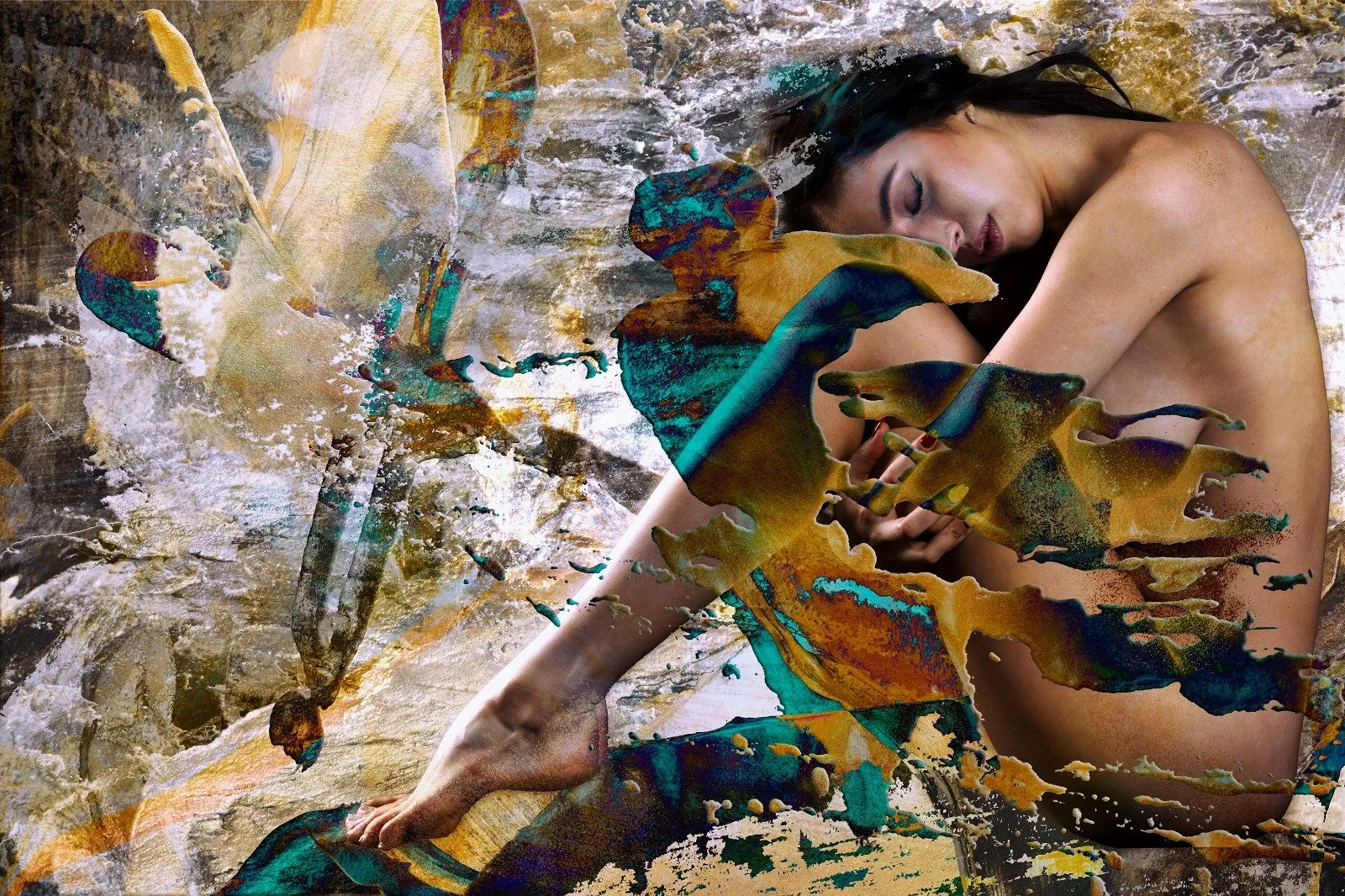
Senses works with models and influencers whose image is often used to sell products, attention, and sexuality. The process removes that agenda. Instead, it begins by asking who they are, what they fear, what they aspire toward, and what their life is actually made of. Through photography, painting and digital composition, the work becomes a space where the person is not a brand asset, but a human being in expression. In the context of healing, Senses is collaborative image-making with dignity, depth, and self-revelation. It ultimately enquires about the world beyond the senses.
Project→
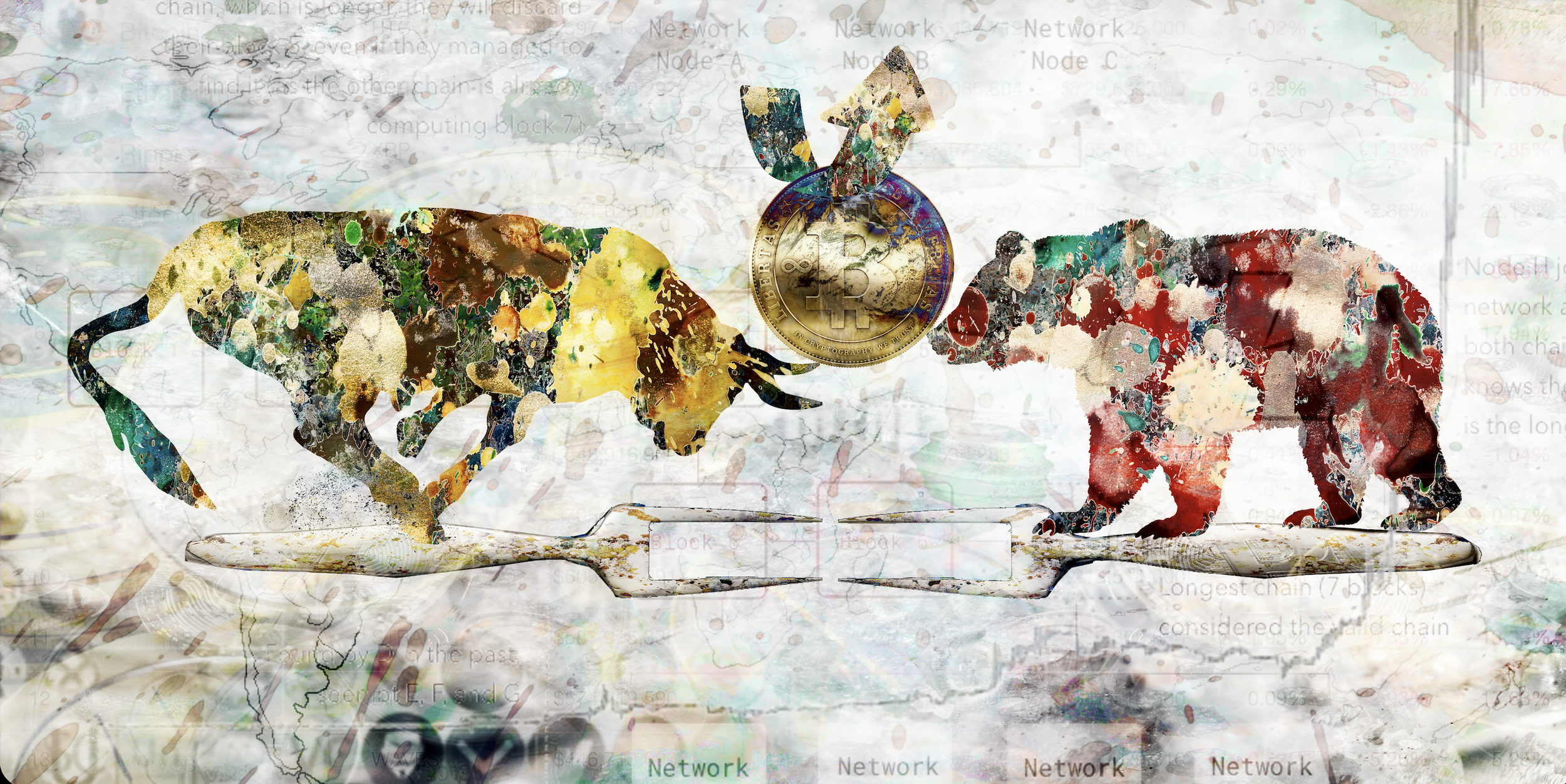
Distributed Systems explores sovereignty and trust at the edge of Web3, built since 2016 when the space was still asking fundamental questions. What do we choose to verify? What do we choose to trust? Before the technology became defined by finance, the work reached for deeper territory: internal authority, authenticity, what consciousness actually chooses to believe.
Project→
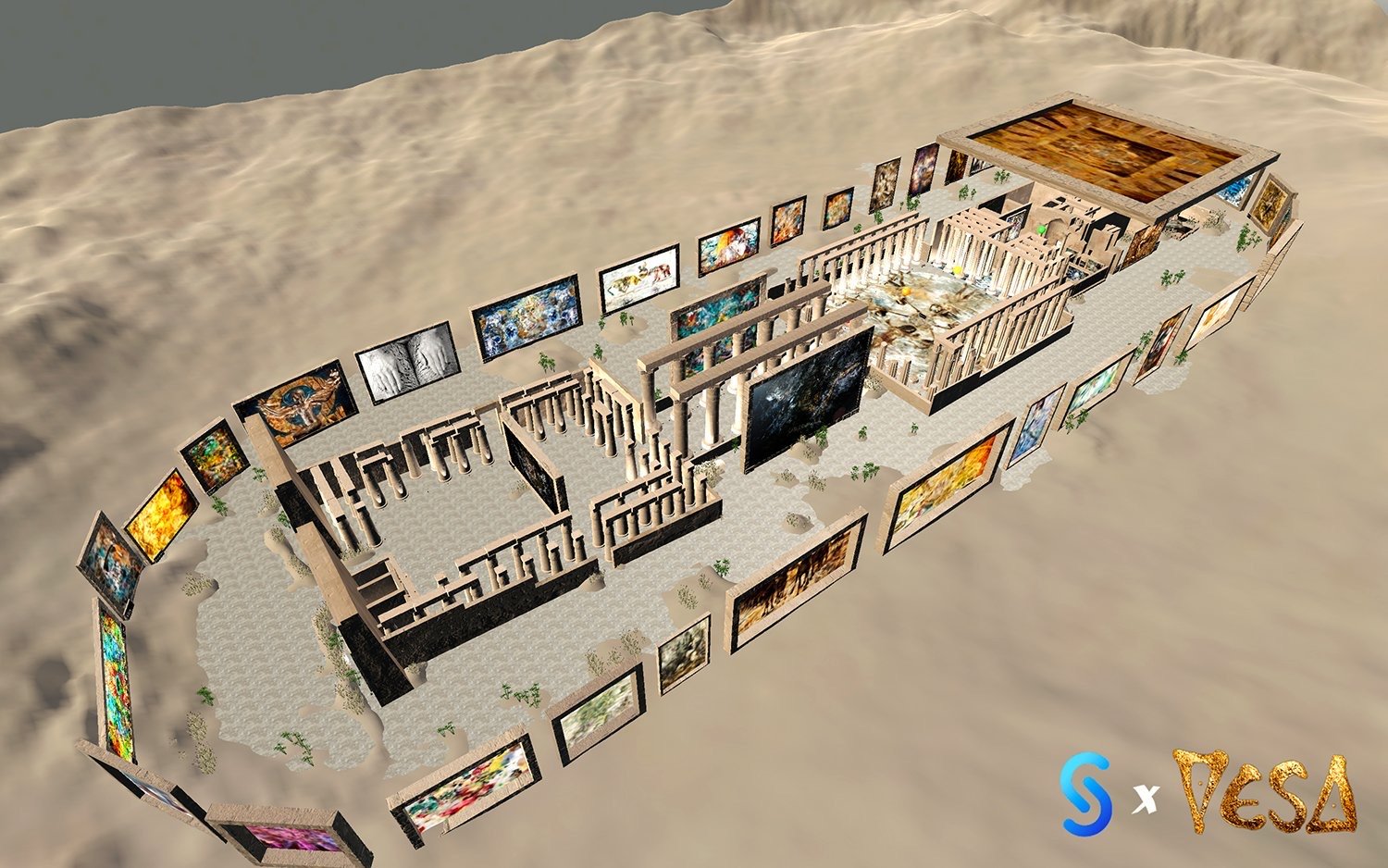
The Luxor Temple was built in the image of man, mapping the journey from birth to transcendence. Before his passing, Emmy-winning filmmaker John Anthony West, the modern world's most determined advocate for this understanding, named a work created with his daughter "Hymn of Hathor." The Digital Temple project places VESA's artwork inside a virtual recreation of the real temple, continuing West's mission through contemporary tools. This is wellness taken past the body and past the mind. It is the question of what the human being was designed to become, asked inside a structure that was built three thousand years ago to answer it.
Project→
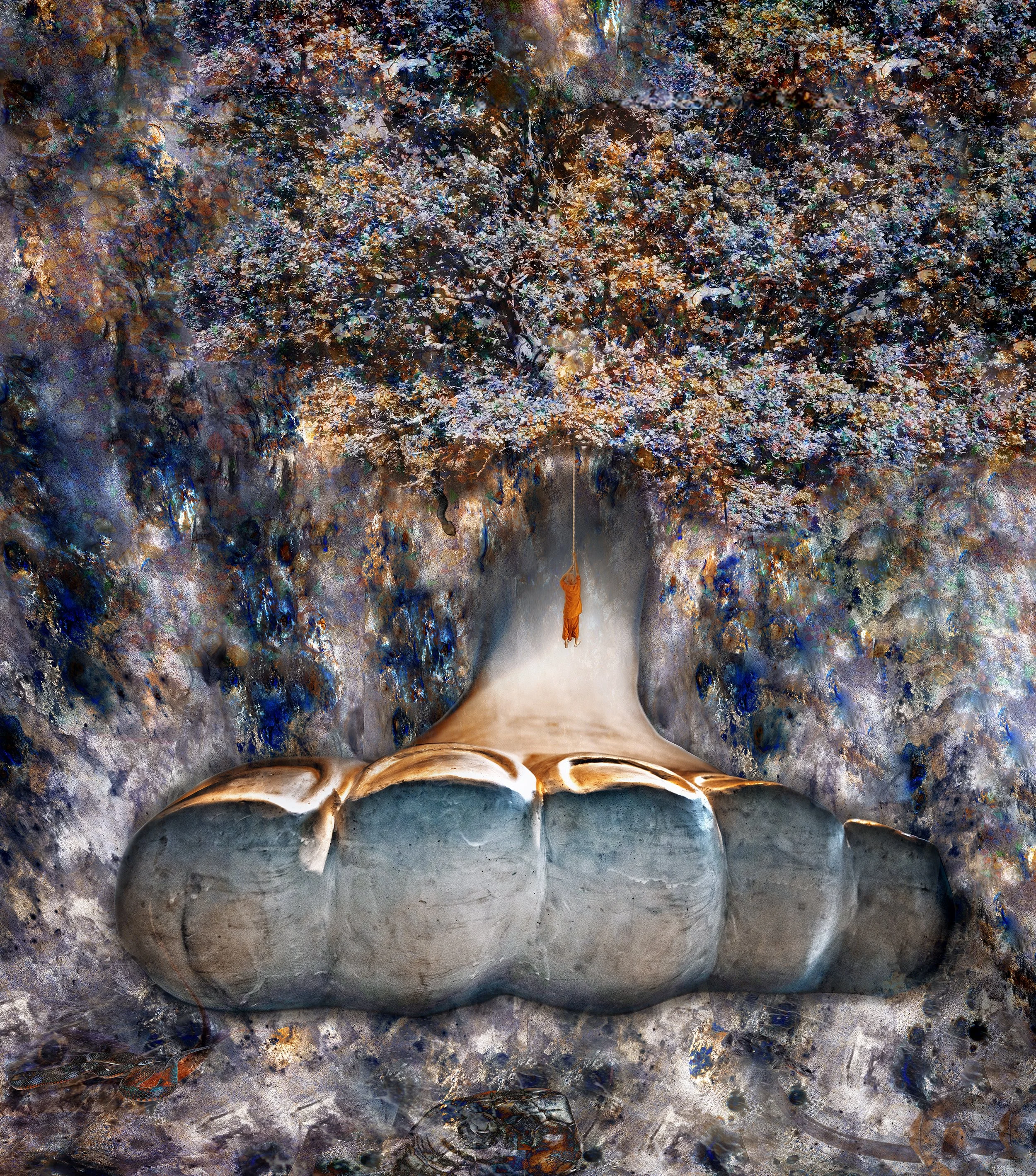
Maps of the Eternal explores identity beyond the entire sensory mechanism. Drawing on Vedic philosophy and the Bhagavad Gita, the work asks what remains when everything the senses can perceive is accounted for. Who are you when the body, the mind, and the emotions are understood as instruments rather than identity? This is wellness taken to its deepest ground: not the optimisation of the machine, but the question of who is operating it. Should this segment be first or the last on this page? The presumption is most won’t get here unless if they go through the whole journey first.
Project→
Closing:
Art has always healed. The evidence now confirms what artists have understood intuitively for centuries. The question is no longer whether art contributes to wellbeing. The question is how deliberately, how deeply, and at what scale.
This practice is one answer. It has been built across two decades, across every medium available, and across the full spectrum of what wellness can mean: physical, emotional, cultural, spiritual, and digital.